There is no single weight loss injection that is considered the best option for everyone. The right medication depends on each person’s individual health status, medical history, underlying conditions, current medications, amount of excess weight, treatment goals, and risk of side effects.
Before prescribing a weight loss injection, a doctor evaluates these factors to determine which medication is most appropriate. Weight loss injections differ in terms of effectiveness, approved indications, side effects, dosing schedules, and potential health benefits.
In this article, we compare some of the most important weight loss injections available in Iran and explain how they differ.
How Do Doctors Choose the Best Weight Loss Injection?
Several GLP-1-based medications are available for weight management. Although these medications work by mimicking the effects of GLP-1, they contain different active molecules and formulations and have different benefits, indications, and contraindications.
The best weight loss injection is not necessarily the medication that produces the greatest weight loss. Instead, the ideal choice is the medication that provides the greatest potential benefit while presenting an acceptable level of risk for the individual patient. When selecting a medication, doctors may consider:
- Expected weight-loss effectiveness
- The medication’s safety profile
- Existing medical conditions
- Potential benefits for other health conditions
- Current medications and possible interactions
- Potential side effects
- Treatment goals
- Cost and affordability
Most Effective Weight Loss Injections
Injectable weight-management medications can support weight loss by reducing appetite, increasing feelings of fullness, and, depending on the medication, improving blood glucose control.
However, no medication is the best choice for every person. The appropriate option depends on factors such as the amount of excess weight, diabetes or other underlying conditions, other medications being taken, potential side effects, treatment goals, and treatment cost.
The three major weight loss injections discussed in this article are semaglutide, tirzepatide, and liraglutide.
Semaglutide
Semaglutide is a GLP-1 receptor agonist. It can support weight loss by reducing appetite, increasing feelings of fullness, and slowing gastric emptying, which may reduce overall calorie intake.
When blood glucose levels are elevated, semaglutide also increases insulin secretion and can help improve blood glucose control in people with type 2 diabetes.
Clinical studies have shown that semaglutide, when combined with a reduced-calorie diet and regular physical activity, can result in substantial weight loss.
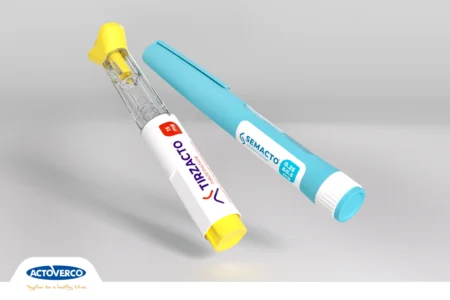
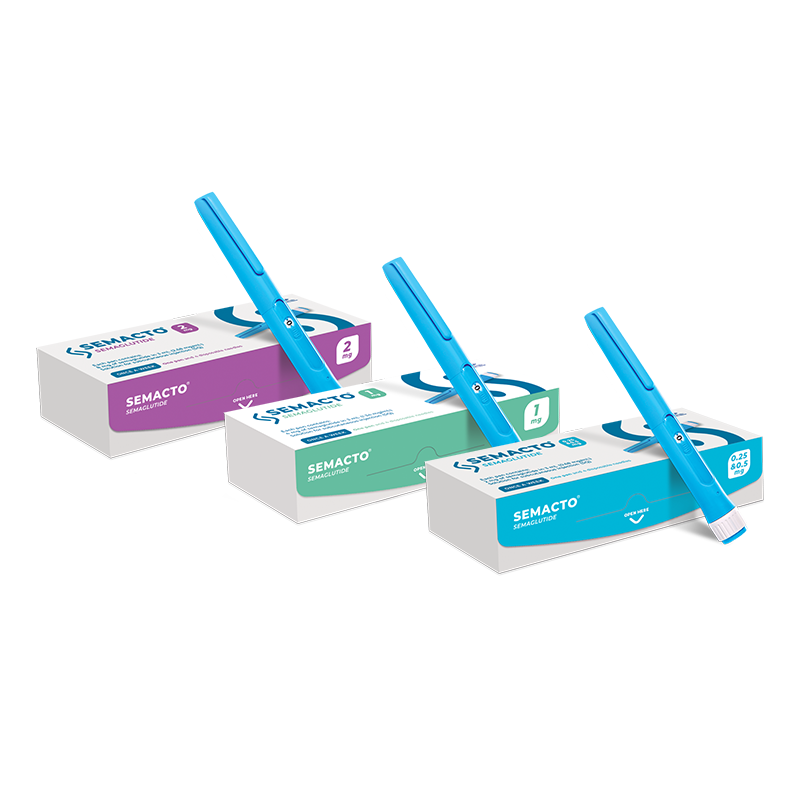
In Iran, semaglutide is marketed under the brand name Semacto®, manufactured by Actover Pharmaceutical Company.
Tirzepatide
Tirzepatide is a dual GIP and GLP-1 receptor agonist. In addition to reducing appetite and increasing feelings of fullness, its simultaneous action on two hormonal pathways has been associated with greater weight loss than semaglutide in several clinical studies.
Tirzepatide is used alongside a healthy diet and physical activity for weight management and the treatment of type 2 diabetes.
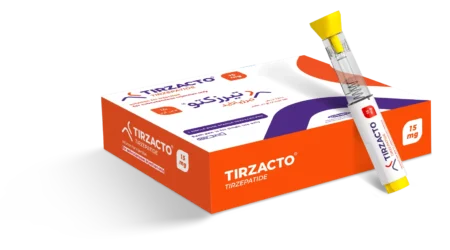
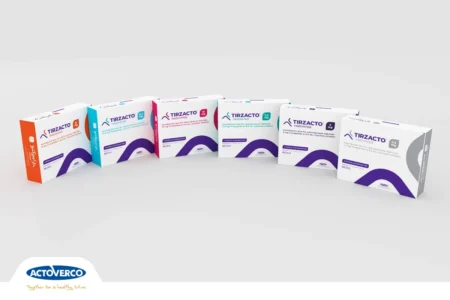
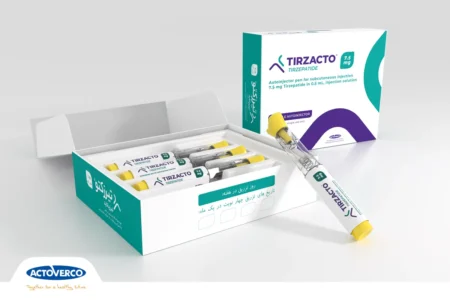
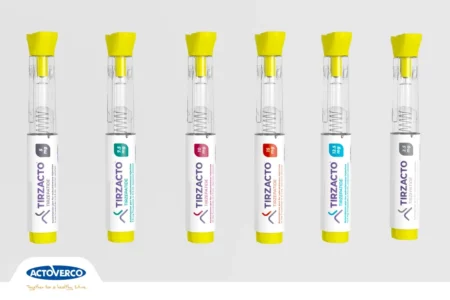
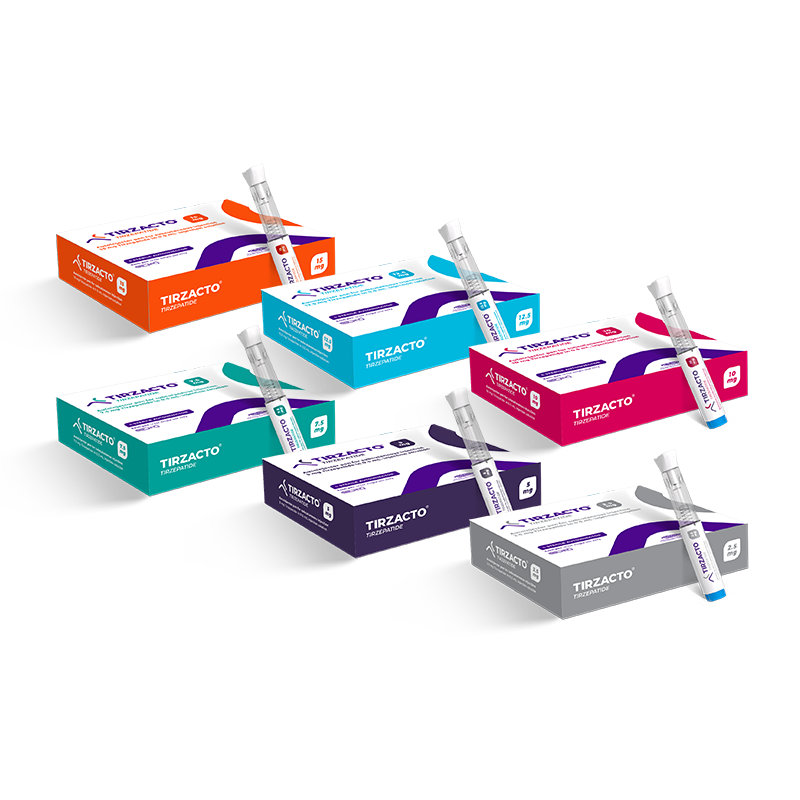
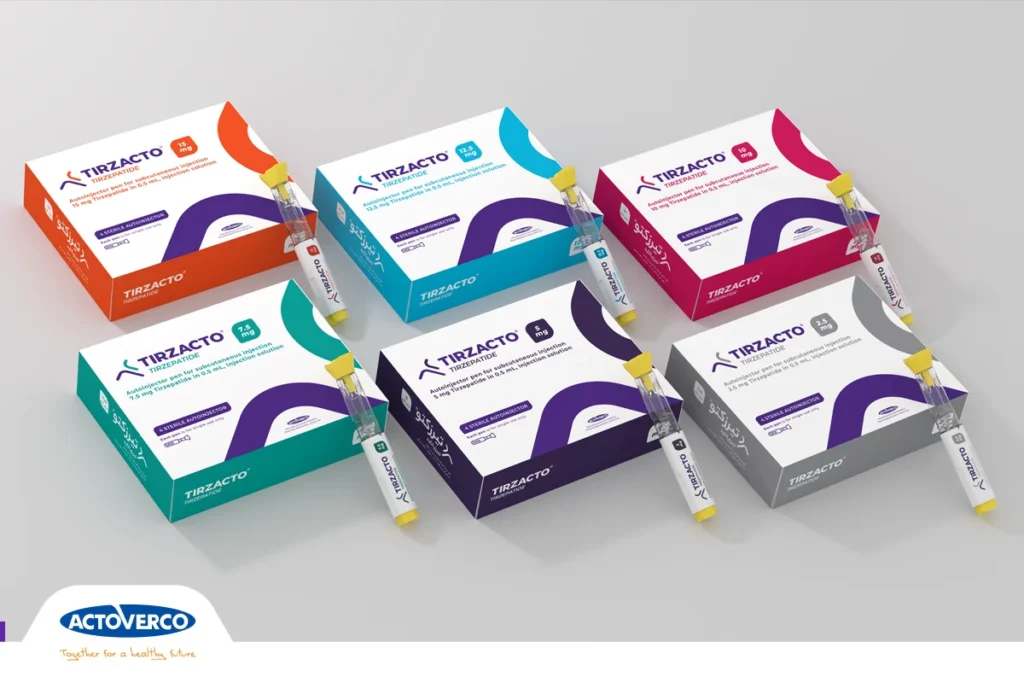
In Iran, tirzepatide is marketed under the brand name Tirzacto®, manufactured by Actover Pharmaceutical Company.
Liraglutide
Liraglutide is also a GLP-1 receptor agonist. It can help with weight loss by reducing appetite, increasing satiety, and slowing gastric emptying. It can also increase insulin secretion when blood glucose levels are elevated and help improve glycemic control in people with type 2 diabetes.
The main difference between liraglutide and semaglutide or tirzepatide is the dosing schedule. Liraglutide is administered once daily, whereas semaglutide and tirzepatide are generally administered once weekly for their relevant indications.
Weight Loss Injection Comparison
| Medication | Mechanism of action | Injection frequency | Approximate weight loss | Key advantage |
|---|---|---|---|---|
| Semaglutide | GLP-1 receptor agonist | Once weekly | Approximately 10–15% | Strong evidence and weekly dosing |
| Tirzepatide | GIP + GLP-1 receptor agonist | Once weekly | Approximately 15–20% | Greater weight-loss efficacy in clinical studies |
| Liraglutide | GLP-1 receptor agonist | Once daily | Approximately 5–8% | Longer history of use and extensive clinical experience |
Which Weight Loss Injection Causes the Most Weight Loss?
Based on the evidence discussed in this article, tirzepatide currently appears to be one of the most effective injectable medications for weight management. Semaglutide is also highly effective, and both medications can produce substantial weight loss when combined with a reduced-calorie diet and increased physical activity. Several findings support this comparison:
- A 2024 systematic review and meta-analysis that evaluated 53 studies involving more than 21,000 participants found that tirzepatide produced the greatest weight-loss effect among the medications evaluated. Semaglutide and liraglutide followed, along with dulaglutide and exenatide. In that analysis, participants receiving tirzepatide lost approximately 8.5 kg more than those receiving placebo, while those receiving semaglutide lost approximately 3 kg more than the placebo group.
- A 2025 head-to-head comparative study found that participants receiving tirzepatide experienced greater reductions in body weight and waist circumference over 72 weeks than participants receiving semaglutide. Gastrointestinal side effects were generally mild to moderate in both groups and occurred more frequently during dose escalation.
- Higher doses of semaglutide may also produce substantial weight loss. In a 2025 study, people with obesity receiving 7.2 mg of semaglutide lost an average of approximately 21% of their initial body weight after 72 weeks.
It is important to remember that results from clinical trials represent averages. Individual responses can vary considerably.
Comparing Weight Loss Injections by Side Effects
Weight loss injections have many side effects in common. The most frequent adverse effects involve the gastrointestinal system and include:
- Nausea
- Vomiting
- Diarrhea
- Constipation
- Abdominal pain or discomfort
These symptoms are often more noticeable during the first weeks of treatment or after the dose is increased. In many people, they gradually become less bothersome as the body adapts to the medication. There are nevertheless some differences worth considering.
Tirzepatide
Because tirzepatide can produce substantial weight loss and improvements in blood glucose control, some studies have reported a higher likelihood of treatment discontinuation due to gastrointestinal adverse effects, particularly nausea, vomiting, and diarrhea.
Most gastrointestinal side effects are mild to moderate and tend to occur during the dose-escalation period.
Semaglutide
Semaglutide has a gastrointestinal side-effect profile broadly similar to tirzepatide.
In people with type 2 diabetes and a history of diabetic retinopathy, rapid improvements in blood glucose levels may be associated with temporary worsening of diabetic retinopathy. People with diabetic retinopathy should therefore be monitored appropriately during treatment.
Liraglutide
Liraglutide has a generally similar gastrointestinal side-effect profile. However, because it is injected daily rather than weekly, injection-site reactions such as pain, redness, or itching may occur more frequently than with medications administered once a week.
Rare but Serious Side Effects
Regardless of which medication is used, serious adverse effects can occur in rare cases. These may include:
- Pancreatitis
- Gallbladder disease
- Acute kidney injury, particularly when dehydration occurs because of severe vomiting or diarrhea
- Severe allergic reactions
- Severe gastrointestinal problems such as gastroparesis
Seek immediate medical attention if you experience severe or persistent abdominal pain, severe vomiting, signs of dehydration, yellowing of the skin or eyes, or symptoms of a severe allergic reaction.
Comparing the Cost of Weight Loss Injections
The price of GLP-1-based weight loss injections varies depending on the medication, dosage, manufacturer, and treatment regimen.
Based on the information discussed in the original article, tirzepatide is generally the most expensive of the three medications, followed by semaglutide and liraglutide.
However, price should not be used as a substitute for medical suitability. A more expensive medication is not automatically a better medication for a particular patient.
Which Weight Loss Injection Works the Fastest?
Tirzepatide, semaglutide, and liraglutide can all begin reducing appetite and calorie intake during the early weeks of treatment. However, substantial weight loss generally develops over time as treatment continues and the dose is gradually increased according to the prescribed regimen.
Clinical evidence suggests that tirzepatide and semaglutide generally produce greater weight loss than liraglutide.
Some studies also suggest that tirzepatide may produce weight loss more rapidly than semaglutide. However, treatment response varies from person to person and can be influenced by factors such as medication dose, dietary habits, physical activity, and individual characteristics.
What Is the Best Weight Loss Injection for People With Diabetes?
The best medication for a person with diabetes depends on their overall health, degree of blood glucose control, underlying conditions, and treatment goals.
Tirzepatide, semaglutide, and liraglutide are injectable medications that can be used in the management of type 2 diabetes and can improve blood glucose control. However, they differ in their mechanisms of action, dosing schedules, and approved indications.
| Feature | Tirzepatide | Semaglutide | Liraglutide |
|---|---|---|---|
| Mechanism | Dual GIP + GLP-1 receptor agonist | GLP-1 receptor agonist | GLP-1 receptor agonist |
| Injection frequency | Once weekly | Once weekly | Once daily |
| FDA approval for type 2 diabetes | Adults | Adults | Adults and children aged 10+ |
| FDA approval for chronic weight management | Adults and adolescents aged 12+ | Adults and adolescents aged 12+ | Adults and adolescents aged 12+ |
| Other FDA-approved indications | Moderate-to-severe obstructive sleep apnea in adults with obesity | Cardiovascular risk reduction in certain adults with cardiovascular disease and overweight/obesity; MASH with moderate-to-advanced fibrosis | Reduction of cardiovascular events in certain adults with type 2 diabetes and cardiovascular disease |
| Average weight loss reported in clinical studies | Approximately 20% | Approximately 15% | Approximately 5–8% |
| Common side effects | Nausea, vomiting, diarrhea, constipation, abdominal pain | Nausea, vomiting, diarrhea, constipation, abdominal pain | Nausea, vomiting, diarrhea, constipation, abdominal pain |
What Is the Best Weight Loss Injection for People Without Diabetes?
GLP-1 receptor agonists are not used exclusively in people with diabetes. Certain medications in this class have also been approved for weight management in people without diabetes.
When used alongside a reduced-calorie diet and increased physical activity, these medications can help eligible people achieve clinically meaningful weight loss.
In general, a person may be considered for weight-management medication if they have:
- A BMI of 30 kg/m² or higher
- A BMI of 27 kg/m² or higher along with at least one weight-related condition, such as high blood pressure, obstructive sleep apnea, MASH, cardiovascular disease, or metabolic syndrome
However, there is no single weight loss injection that can be considered the best choice for everyone without diabetes.
The appropriate medication depends on factors such as BMI, amount of excess weight, underlying medical conditions, current medications, potential side effects, treatment goals, and affordability.
Before treatment begins, a doctor should assess the individual’s medical history, potential contraindications, and whether the specific medication is appropriate.
Is a More Expensive Weight Loss Injection Always Better?
No. A higher price does not necessarily mean that a medication is more effective or more suitable.
The cost of a weight loss injection depends on factors such as the active ingredient, brand, dosage, and manufacturer. Although newer medications such as tirzepatide have demonstrated greater weight loss than some older medications in clinical studies and may cost more, this does not automatically make them the best option for every patient.
Age, BMI, underlying health conditions, potential side effects, other medications, treatment goals, and treatment cost should all be considered when selecting a medication.
The final choice should therefore be individualized and made in consultation with a healthcare professional.
Comparison of the Best Weight Loss Injections
| Feature | Tirzepatide | Semaglutide | Liraglutide |
|---|---|---|---|
| Drug type | Dual GIP + GLP-1 receptor agonist | GLP-1 receptor agonist | GLP-1 receptor agonist |
| Who may be eligible | Adults with type 2 diabetes, obesity, or overweight with at least one weight-related condition | Adults with type 2 diabetes, obesity, or overweight with at least one weight-related condition | Adults with type 2 diabetes and eligible people with BMI ≥27 plus at least one weight-related condition |
| Expected weight loss | Greatest weight loss in clinical studies | Significant weight loss | Generally less than semaglutide and tirzepatide |
| Dosing | 2.5, 5, 7.5, 10, 12.5, and 15 mg | 0.25, 0.5, 1, and 2 mg | 0.6, 1.2, 1.8, 2.4, and 3 mg |
| Half-life | Approximately 5 days | Approximately 1 week | Approximately 13 hours |
| Route of administration | Subcutaneous injection | Subcutaneous injection | Subcutaneous injection |
Final Thoughts
Choosing the best weight loss injection does not simply mean selecting the medication that produces the greatest amount of weight loss in clinical studies.
The best option is the medication that provides the most appropriate balance between effectiveness, safety, medical suitability, treatment goals, and individual needs.
Although medications such as tirzepatide and semaglutide have demonstrated substantial weight loss in clinical studies, other factors—including underlying medical conditions, potential side effects, current medications, dosing requirements, and treatment cost—also matter.
For this reason, weight loss injections should be started only after an appropriate medical evaluation. A healthcare professional can assess your individual circumstances and help determine which medication, if any, is the most appropriate option for you.