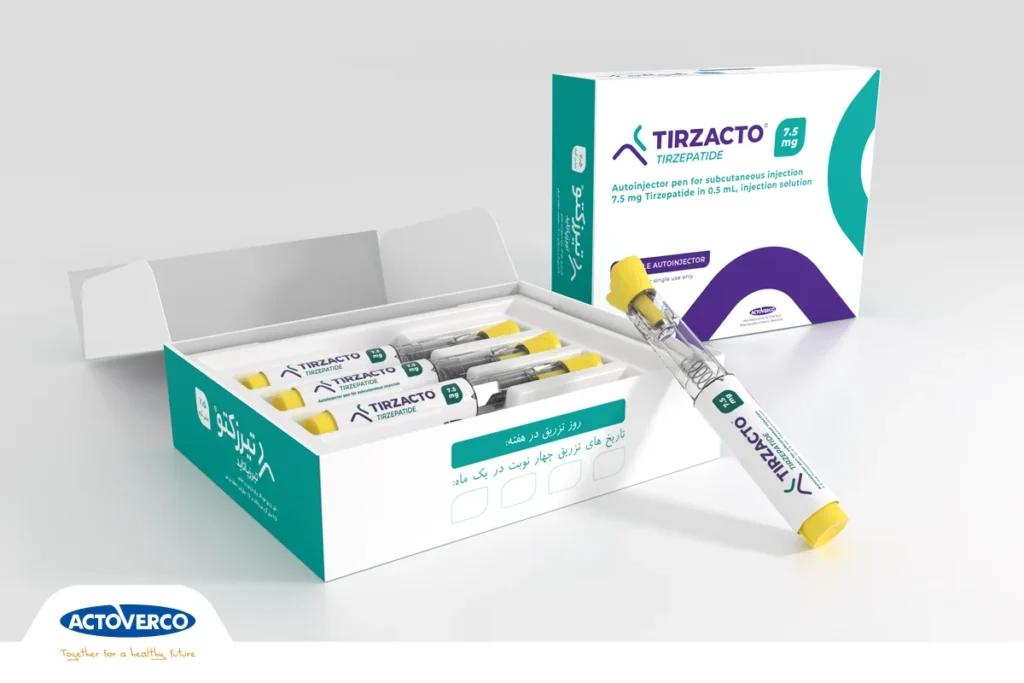
Weight loss injections, including GLP-1 receptor agonists and related medications, are used to support blood glucose control and weight management in people with conditions such as type 2 diabetes and obesity. Like all medications, they can cause side effects.
The most commonly reported adverse effects are gastrointestinal symptoms such as nausea, vomiting, diarrhea, and constipation. The frequency and severity of these effects can vary depending on the medication and dose. For this reason, treatment is generally started at a lower dose and increased gradually according to the prescribed treatment plan.
Understanding the potential side effects of weight loss injections and knowing how to manage common symptoms can help patients use these medications more safely.
Why Do Weight Loss Injections Cause Side Effects?
GLP-1 is a naturally occurring hormone released by the intestine in response to food intake. GLP-1 receptor agonists mimic some of the effects of this hormone and remain active in the body for longer than naturally occurring GLP-1.
These medications can cause side effects through several mechanisms:
Slower Gastric Emptying
GLP-1 receptor agonists slow the movement of food from the stomach into the small intestine. This can increase feelings of fullness and help reduce food intake, but it may also contribute to nausea, bloating, or a feeling of heaviness after eating.
Gut-Brain Signaling
These medications act on pathways involved in communication between the gastrointestinal tract and the brain, including areas involved in appetite regulation and nausea. This can contribute to nausea in some people, particularly when treatment is started or the dose is increased.
Changes in Bowel Movements
By affecting gastrointestinal motility, these medications can alter the movement of intestinal contents and may lead to changes in bowel habits, including diarrhea or constipation.
What Are the Most Common Gastrointestinal Side Effects?
Gastrointestinal symptoms are among the most frequently reported side effects of GLP-1-based weight management medications. Many patients experience at least one mild-to-moderate gastrointestinal symptom, particularly during dose escalation.
- Nausea: Nausea is one of the most common side effects. In some clinical trials, it has been reported in a substantial proportion of patients. It is more likely to occur shortly after starting treatment or following a dose increase.
- Vomiting: Vomiting can occur during treatment and may be more likely when patients eat large meals or consume foods that are high in fat.
- Diarrhea: Diarrhea may occur as the gastrointestinal system adapts to changes in gastric emptying and intestinal motility.
- Constipation: Because these medications can slow gastrointestinal motility, stool may remain in the colon for longer, potentially making it harder and more difficult to pass.
- Abdominal Pain and Bloating: Abdominal discomfort and bloating may occur as a result of changes in gastric emptying, digestion, and intestinal movement.
- Acid Reflux and Heartburn: Slower gastric emptying may contribute to symptoms of acid reflux or heartburn in some people.
Which Side Effects Are Common, and When Should You Be Concerned?
The most common side effects associated with GLP-1-based weight management medications include:
- Decreased appetite
- Nausea
- Vomiting
- Diarrhea
- Constipation
These effects are particularly common during the early stages of treatment or after increasing the dose. Other possible side effects include:
- Dizziness
- Mild tachycardia or an increased heart rate
- Headache
- Indigestion or stomach discomfort
- Fatigue
- Injection-site reactions
Mild redness or itching may also occur temporarily at the injection site.
Although less common, some serious adverse reactions may require prompt medical attention. These can include pancreatitis, acute kidney injury, gallbladder problems, severe allergic reactions, and certain eye-related complications in people with diabetes.
How Can You Reduce Nausea, Constipation, and Other Side Effects?
Gastrointestinal side effects are relatively common when treatment is initiated or the dose is increased. However, several practical measures may help some people manage these symptoms.
Start at a Low Dose and Increase Gradually as Directed
One of the main strategies used to improve tolerability is gradual dose escalation. Treatment is typically started at a lower dose and increased according to the prescribing instructions.
If side effects become more severe after a dose increase, speak with your healthcare provider. Depending on your situation, your provider may recommend staying at the current dose for longer before increasing it further.
Adjust Your Eating Habits
Eat Smaller Meals More Frequently
Large meals may worsen nausea or discomfort. Eating smaller portions and stopping when you first feel full may be easier to tolerate.
Avoid Foods That Trigger Symptoms
High-fat, greasy, or very spicy foods may be more difficult to tolerate and can worsen nausea, vomiting, or reflux in some people.
Choose Simple Foods When You Feel Nauseated
When nausea is significant, bland and easy-to-digest foods may be easier to tolerate. A healthcare professional or dietitian can provide individualized dietary recommendations.
Try Simple Strategies for Nausea
Some people find that ginger, ginger tea, peppermint tea, or chamomile tea can help relieve mild nausea. However, these approaches do not replace medical treatment when symptoms are severe or persistent.
Stay Hydrated
Drink Fluids Regularly
Drink enough fluids throughout the day to reduce the risk of dehydration. This is particularly important if vomiting or diarrhea occurs, as significant fluid loss can contribute to dehydration and, in some cases, kidney problems.
Avoid Lying Down Immediately After Eating
Remaining upright for approximately 30 to 60 minutes after a meal may help reduce reflux symptoms in some people.
Can Weight Loss Injections Cause Hair Loss or Loose Skin?
Some people taking GLP-1-based medications report hair loss during treatment. The exact cause is not always clear. In many cases, hair shedding may be associated with rapid weight loss, reduced calorie intake, or changes in nutritional intake rather than being a direct effect of the medication itself.
This type of temporary hair shedding may improve over time as weight stabilizes and the body adapts. If hair loss is persistent or severe, a healthcare professional can evaluate other possible causes, including nutritional deficiencies and underlying medical conditions, and recommend appropriate treatment if necessary.
Loose skin is another concern following substantial weight loss. Significant weight reduction can lead to changes in skin elasticity, although the degree of loose skin varies considerably between individuals.
Strategies that may support healthy body composition during weight loss include:
- Losing weight at a gradual and sustainable rate
- Performing regular physical activity, including resistance training
- Maintaining adequate hydration
- Consuming sufficient protein as part of a balanced diet
Do Weight Loss Injections Cause Fat Loss or Muscle Loss?
Clinical studies indicate that people who lose weight while using medications such as semaglutide or tirzepatide generally lose both fat mass and lean mass, which includes muscle and other non-fat tissues.
This is not unique to GLP-1-based medications. Some loss of lean mass can occur during significant weight loss regardless of how the weight is lost.
To help preserve muscle mass during weight loss, discuss the following strategies with your healthcare provider:
- Consuming adequate protein
- Performing regular resistance or strength training
- Avoiding excessively rapid weight loss
Individual protein and exercise needs vary, particularly in people with medical conditions, so personalized advice may be appropriate.
Rare but Serious Side Effects of Weight Loss Injections
Although uncommon, some potentially serious adverse reactions have been reported with GLP-1-based medications. These may include:
- Pancreatitis
- Gallbladder disease
- Acute kidney injury
- Serious allergic reactions
- Certain thyroid-related warnings and precautions
- Diabetic retinopathy complications in susceptible patients
The specific risks vary depending on the medication, dosage, underlying health conditions, and other medications being used.
Which Symptoms Require Immediate Medical Attention?
Certain symptoms should not be ignored. Seek prompt medical attention if you experience any of the following:
Pancreatitis
Severe and persistent abdominal pain, particularly pain that radiates to the back and may be accompanied by nausea or vomiting, can be a sign of pancreatitis. Contact a healthcare professional immediately if these symptoms occur.
Vision Changes or Worsening Diabetic Retinopathy
People with diabetic retinopathy or new changes in vision should contact their healthcare provider. Rapid improvements in blood glucose levels can sometimes be associated with temporary worsening of diabetic retinopathy.
Hypoglycemia
The risk of hypoglycemia may increase when certain weight management medications are used together with insulin or insulin secretagogues. Symptoms may include:
- Shaking
- Sweating
- Dizziness
- Weakness
- Confusion
- Rapid heartbeat
Acute Kidney Injury
Severe or persistent vomiting and diarrhea can cause dehydration and may contribute to acute kidney injury. People with existing kidney disease may require closer monitoring if significant gastrointestinal symptoms occur.
Serious Allergic Reactions
Swelling of the face, lips, tongue, or throat, hives, difficulty breathing, wheezing, or difficulty swallowing may indicate a serious allergic reaction and require immediate medical attention.
Acute Gallbladder Problems
Severe or persistent pain in the upper abdomen, particularly on the right side, may indicate a gallbladder problem. Fever, nausea, vomiting, or yellowing of the skin or eyes may also occur.
Are the Side Effects of Weight Loss Injections Permanent?
Most common gastrointestinal side effects associated with GLP-1-based medications are temporary and may improve as the body adapts to treatment.
Nausea, vomiting, diarrhea, constipation, abdominal discomfort, and feelings of fullness are particularly common when treatment is initiated or the dose is increased.
However, some people may experience symptoms for longer periods. Persistent, severe, or worsening symptoms should be discussed with a healthcare professional.
Gastroparesis
GLP-1-based medications slow gastric emptying. In some people, significant or persistent slowing of gastric emptying may contribute to symptoms resembling gastroparesis. Possible symptoms include:
- Persistent fullness
- Nausea
- Recurrent vomiting
- Difficulty tolerating food
- Abdominal discomfort
If these symptoms occur or persist, contact your healthcare provider. Your provider can determine whether the medication or another underlying condition may be contributing to the symptoms and whether treatment should be adjusted.
Gallbladder Problems
GLP-1-based medications may be associated with an increased risk of gallbladder problems, including gallstones and inflammation of the gallbladder. Rapid weight loss itself can also increase the risk of gallstone formation. Possible symptoms include:
- Pain in the upper right side of the abdomen
- Fever
- Chills
- Nausea or vomiting
- Diarrhea
- Jaundice
Pancreatitis
Pancreatitis, or inflammation of the pancreas, is an uncommon but potentially serious complication. Symptoms may include:
- Severe, persistent abdominal pain that may radiate to the back
- Nausea and vomiting
- Abdominal swelling or tenderness
- Increased heart rate
If pancreatitis is suspected, medical evaluation is required and the medication may need to be discontinued under medical supervision.
Eye Problems
Rapid improvement in blood glucose levels can temporarily worsen diabetic retinopathy in some people, particularly those who already have moderate or severe diabetic eye disease.
If you have a history of diabetic retinopathy, your healthcare provider may recommend appropriate eye examinations and monitoring during treatment.
Do the Benefits of Weight Loss Injections Outweigh Their Risks?
When lifestyle changes alone are not sufficient to achieve or maintain clinically meaningful weight loss, medications such as semaglutide and tirzepatide may be considered for eligible patients.
The decision to start treatment should take into account the potential benefits, risks, contraindications, alternative treatment options, and the individual’s overall health.
| Potential Benefits | Potential Risks or Limitations |
| Clinically meaningful weight loss: Clinical trials have demonstrated substantial weight loss with certain medications and doses, although individual results vary. | Short-term gastrointestinal side effects: Nausea, vomiting, diarrhea, constipation, bloating, and abdominal discomfort are common, particularly during dose escalation. |
| Improved blood glucose control: These medications can improve glycemic control through effects on insulin secretion, glucagon, appetite, and gastric emptying. | Potential long-term risks: Gallbladder problems, kidney complications, loss of lean mass, and other adverse effects may occur in some patients. |
| Improved appetite control: By acting on pathways involved in appetite and satiety, these medications can reduce hunger and food intake. | Cost and long-term treatment: Depending on the medication and healthcare system, treatment can be expensive and may require long-term use. |
| Potential metabolic benefits: Weight loss and improved glycemic control may contribute to broader improvements in metabolic health. | Individual tolerability: Not everyone responds to these medications in the same way, and some people may experience significant adverse effects. |
Ultimately, whether the potential benefits outweigh the risks is an individual medical decision that should be made together with a healthcare professional.
Who May Be at Greater Risk of Side Effects?
Some people may require closer monitoring during treatment, including those with:
- Existing gastrointestinal disorders
- Kidney disease
- A history of diabetic retinopathy
- Concomitant use of insulin or certain glucose-lowering medications
Rapid dose escalation may also increase the likelihood of adverse effects, particularly gastrointestinal symptoms.
Your healthcare provider should review your medical history and current medications before starting treatment.
Final Thoughts
Weight loss injections can support weight management in eligible patients when used alongside appropriate lifestyle changes. However, like all medications, they can cause side effects.
The most common adverse effects include gastrointestinal symptoms such as nausea, vomiting, diarrhea, constipation, bloating, and a feeling of fullness. These symptoms are particularly common when treatment is started or the dose is increased and may improve as the body adjusts to the medication.
Starting treatment at the appropriate dose and gradually increasing it according to the prescribed treatment plan can improve tolerability for many patients.
The choice of medication, dose, and treatment duration should always be based on the individual’s medical condition, treatment goals, and healthcare provider’s recommendations.
Understanding both the potential benefits and risks of weight loss medications, as well as how to use them correctly, can help support safer and more effective treatment.
How Can You Reduce the Risk of Side Effects When Starting Treatment?
Starting treatment gradually, following the prescribed dose-escalation schedule, staying adequately hydrated, eating smaller and balanced meals, and communicating any persistent or severe symptoms to your healthcare provider can help improve treatment tolerability.
Do not change your dose or stop treatment without consulting your healthcare provider.