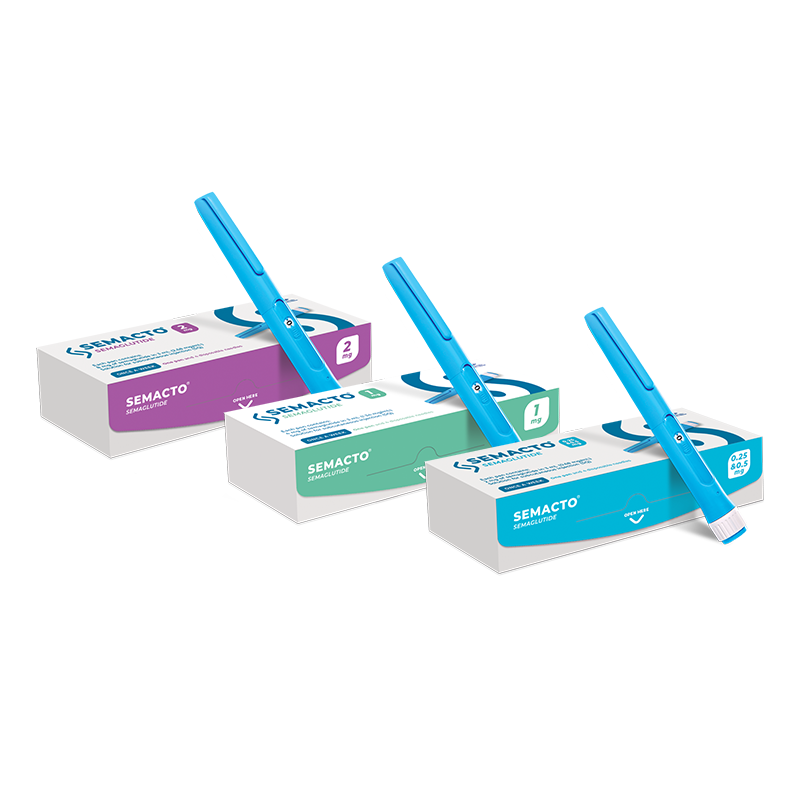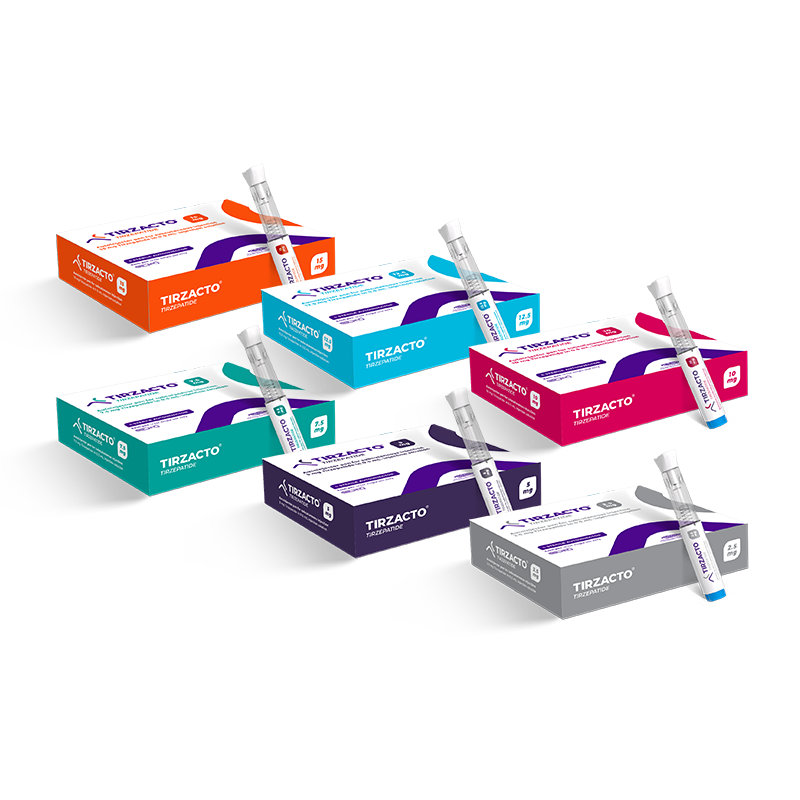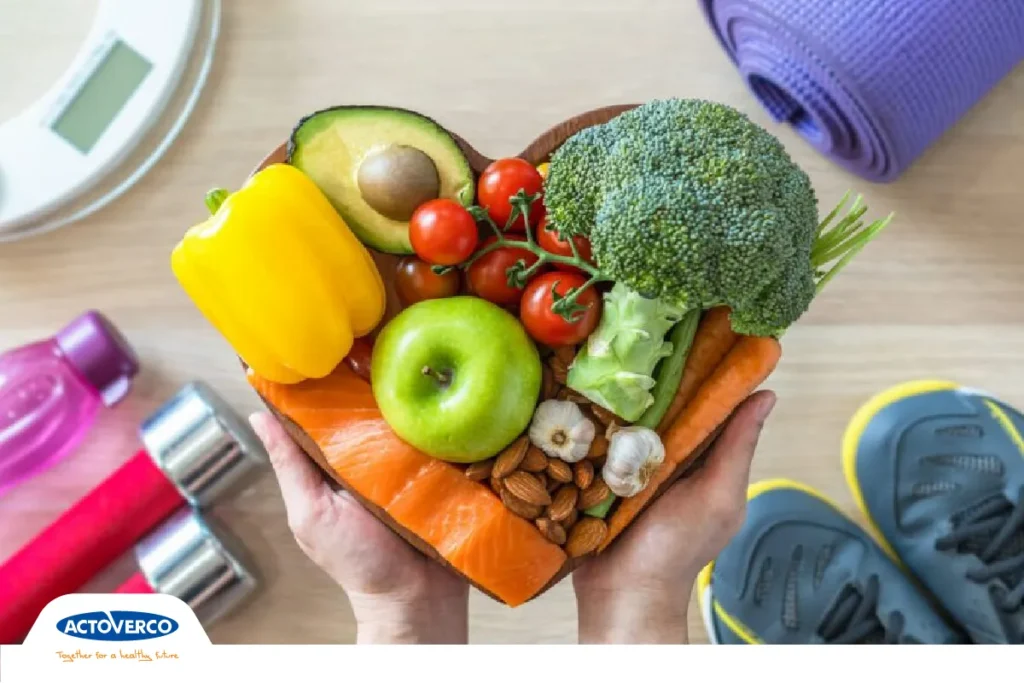
Weight loss injections alone may not be enough to achieve and maintain your weight management goals. Following a balanced diet, exercising regularly, and developing healthy lifestyle habits can support the effectiveness of treatment while helping reduce certain side effects, preserve muscle mass, and maintain weight loss over the long term.
If you are taking GLP-1 medications for weight management, understanding what to eat and how to exercise can help you get the most from your treatment. Here are some of the most important dietary and exercise recommendations to consider.
Why Is Diet Important When Taking GLP/GLP-1?
When taking a GLP-1 medication, following a balanced diet is important to make sure your body continues to receive enough essential nutrients. Because these medications can significantly reduce appetite, some people may unintentionally eat too little. Over time, inadequate nutrient intake may contribute to problems such as fatigue, hair loss, or muscle weakness.
Food choices can also affect gastrointestinal side effects. Certain foods may worsen symptoms such as nausea, bloating, or constipation.
For people with diabetes, dietary choices and medication use should also be carefully managed because some diabetes treatments can increase the risk of hypoglycemia when combined with other glucose-lowering medications.
A balanced diet and healthy lifestyle can therefore complement GLP-1 treatment and support appetite control and long-term weight management.
What Foods Should You Eat More of While Taking GLP/GLP-1 medications?
The best diet while taking GLP-1 medications generally emphasizes whole, minimally processed foods and a variety of nutrient-dense ingredients.
A healthy eating pattern for weight management should include plenty of high-fiber foods such as vegetables, fruits, legumes, and whole grains while limiting excessive intake of saturated fats and highly processed foods.
Some nutritious food choices to consider include:
| Food | Potential benefits |
|---|---|
| Eggs | Eggs provide high-quality protein and a range of vitamins and minerals. Protein-rich foods can also help support fullness during weight loss. |
| Healthy fats | Avocados, nuts, seeds, and olive oil provide predominantly unsaturated fats that can be part of a balanced diet. |
| Whole grains | Oats, brown rice, and quinoa provide fiber and other nutrients and can support digestive health and more sustained energy. |
| Berries | Blueberries, strawberries, and other berries provide fiber and antioxidants and can be a nutrient-dense alternative to highly processed sweet foods. |
| Legumes | Beans, lentils, and chickpeas provide both protein and fiber and can support digestive and metabolic health. |
| Vegetables | Broccoli, carrots, Brussels sprouts, and other vegetables are generally low in calories and rich in fiber, vitamins, and minerals. |
| Leafy greens | Spinach, kale, and other leafy greens provide fiber, vitamins, and minerals and can contribute to an overall nutrient-dense diet. |
Rather than focusing on a single food that supposedly “boosts GLP-1,” it is generally more useful to build an overall diet around protein-rich, high-fiber, minimally processed foods.
Which Foods Should You Limit or Avoid?
While taking GLP-1 medications, some foods may be more likely to cause gastrointestinal discomfort or make it harder to maintain a balanced calorie intake. Foods that may be worth limiting include:
- Sugary foods and drinks such as soft drinks, candy, sweetened beverages, and desserts
- Refined carbohydrates such as white bread, refined pasta, crackers, and white rice
- High-fat foods, particularly fried foods and greasy meals
- Highly processed foods and packaged snacks
- Very spicy foods if they trigger nausea, reflux, or other gastrointestinal symptoms
Some research has also investigated how dietary patterns and added sugar intake may affect GLP-1 responses. However, dietary choices should not be viewed as a way to replace prescribed GLP-1 treatment.
One potential benefit of GLP-1 medications is that reduced appetite and increased feelings of fullness may make it easier for some people to reduce their intake of highly processed, calorie-dense foods.
What Is the Best Diet for Preventing Muscle Loss?
When losing weight with GLP-1 medications such as semaglutide and tirzepatide, reduced appetite may make it difficult to consume enough protein and other essential nutrients.
Preserving muscle mass is therefore an important consideration during significant weight loss.
For people undergoing weight-loss treatment, protein intake is often emphasized as part of a strategy to preserve lean mass. Some recommendations suggest approximately 1.2 to 1.6 grams of protein per kilogram of body weight per day, depending on individual needs and medical circumstances.
Rather than consuming all of your protein in one meal, spreading protein intake across several meals may make it easier to meet your daily requirements.
When appetite is low, nutrient density becomes particularly important. The goal is to obtain adequate protein and essential nutrients without relying on large food portions. Good protein sources include:
- Lean Animal Protein: Chicken breast, turkey, and lean fish can provide substantial amounts of protein without excessive amounts of fat.
- Dairy and Eggs: Plain Greek yogurt, cottage cheese, other lower-fat dairy products, and eggs can provide convenient sources of high-quality protein.
- Plant-Based Protein: Lentils, chickpeas, beans, and other legumes provide both protein and fiber and can be incorporated into a balanced diet.
- Protein Powder: Whey protein or plant-based protein isolates can be useful options when it is difficult to obtain enough protein from regular meals. They can be mixed with water or another suitable beverage depending on individual dietary needs.
If you have kidney disease or another medical condition that affects protein requirements, discuss your appropriate protein intake with your healthcare professional before significantly increasing protein consumption.
What Role Do Protein, Fiber, and Water Play During Treatment?
Protein, fiber, and adequate hydration are all important components of a healthy diet while taking weight loss medications.
Fiber
GLP-1 medications can slow gastric emptying and affect the digestive system. Some people may experience constipation, while others may experience diarrhea.
Gradually increasing fiber intake through foods such as fruits, vegetables, legumes, and whole grains may support digestive health. However, increasing fiber too quickly without drinking enough fluids may worsen constipation or bloating.
Protein
Adequate protein intake can help preserve muscle mass during weight loss, particularly when combined with resistance training.
Because GLP-1 medications can reduce appetite, paying attention to protein intake is especially important when overall food consumption decreases.
Water
Reduced appetite may sometimes lead people to drink less as well as eat less. Inadequate fluid intake can contribute to constipation, fatigue, and headaches.
Regular hydration throughout the day is therefore important. A commonly suggested target is around 2 liters of fluids per day, but individual fluid requirements vary depending on body size, activity level, climate, medical conditions, and other factors.
What Are the Best Exercises While Taking GLP-1 medications?
GLP-1 medications can contribute to significant weight loss, but some of the weight lost may come from lean tissue as well as body fat.
Exercise can help support muscle preservation and physical fitness during weight loss. A combination of resistance training and aerobic activity is generally useful for people taking GLP-1 medications.
The following types of exercise can be considered:
Strength Training
Resistance exercises, weight training, and bodyweight exercises such as push-ups can help preserve muscle mass and support bone health.
Maintaining muscle mass is particularly important during weight loss because muscle contributes to strength, physical function, and energy expenditure.
What is BMR?
BMR, or basal metabolic rate, refers to the amount of energy your body uses at rest to maintain essential physiological functions.
Aerobic Exercise
Activities such as walking, running, cycling, and swimming can support cardiovascular fitness and long-term weight management.
Combining regular aerobic exercise with GLP-1 treatment may provide broader health benefits than relying on medication alone, including improvements in cardiorespiratory fitness and metabolic health.
Plyometric Exercises
Exercises such as box jumps, burpees, and other explosive bodyweight movements can combine elements of strength, power, and cardiovascular conditioning.
However, plyometric exercises are relatively demanding and may not be appropriate for everyone, particularly beginners or people with joint, bone, or cardiovascular problems.
Stretching and Flexibility Exercises
Activities such as yoga, Pilates, and structured stretching can improve flexibility, mobility, and overall physical well-being. They may also help with stress management.
Because chronic stress can make weight management more difficult, incorporating activities that promote relaxation may be beneficial as part of a broader lifestyle plan.
Is Strength Training Better Than Cardio?
When a person loses a significant amount of weight, some of the weight lost may come from lean mass, which includes muscle and other non-fat tissues.
Muscle tissue plays an important role in physical function and energy expenditure. Losing too much muscle during weight loss can make it more difficult to maintain strength and body composition.
Research suggests that people taking GLP-1 medications may lose some lean mass along with body fat. In some studies, approximately 15% to 40% of total weight lost has been attributed to lean mass, although the exact proportion varies depending on the medication, study population, measurement method, and other factors.
Resistance training can help preserve muscle during weight loss.
For most people, combining resistance training with aerobic exercise is more beneficial than choosing only one type of exercise. Together, these forms of activity can support muscle and bone health, cardiovascular fitness, and long-term weight management.
How Can You Exercise Without Feeling Weak?
If you have not exercised regularly for some time, starting a new exercise routine can be challenging. Reduced calorie intake during GLP-1 treatment may also make some people feel tired or weak, particularly during the early stages of treatment.
The following strategies may make exercise more manageable:
Manage Side Effects
Some people experience nausea, dizziness, or other gastrointestinal symptoms when they first start a GLP-1 medication.
Try exercising at a time of day when you generally feel better. Avoid exercising immediately after a large meal, and if you feel dizzy or unwell, stop the activity and allow your body to recover.
Prioritize Protein
Because GLP-1 medications can reduce appetite, you may unintentionally consume less protein than your body needs for muscle maintenance and recovery.
If you exercise regularly, make sure your meals and snacks include adequate protein from high-quality sources.
Listen to Your Body
GLP-1 medications can affect digestion and appetite, and reduced food intake may influence your energy levels.
If you experience unusual or persistent fatigue, consider reducing the intensity of your workout and discuss persistent symptoms with your healthcare professional.
Stay Hydrated
Adequate hydration is important for general health and physical performance.
Drink fluids regularly throughout the day and pay particular attention to hydration during and after exercise, especially if you sweat heavily.
Common Diet and Exercise Mistakes While Taking GLP-1 medications
Weight loss injections can support weight management, but lifestyle habits remain important for achieving and maintaining results.
Some common mistakes include:
Not Eating Enough Protein
Adequate protein intake is important during weight loss because it supports muscle maintenance and can help increase satiety.
If you lose weight while losing a substantial amount of muscle, your body composition may not improve as much as expected. Prioritizing adequate protein can therefore be an important part of a weight-loss plan.
Not Eating Enough Fiber
Fiber is another important nutrient during GLP-1 treatment. Adequate fiber intake can support digestive health and may help prevent constipation, which is a common gastrointestinal side effect of some weight-loss medications.
Skipping Meals
Because GLP-1 medications can significantly reduce hunger, some people may begin skipping meals altogether.
However, eating too little can make it difficult to obtain enough protein, vitamins, minerals, and other essential nutrients.
Instead of forcing yourself to eat large meals, focus on smaller, nutrient-dense meals and snacks throughout the day according to your appetite and nutritional needs.
Ignoring Physical Activity
Exercise is important for maintaining muscle mass and supporting overall metabolic and cardiovascular health.
A combination of resistance and aerobic exercise can help support muscle preservation while promoting fat loss and physical fitness.
How Can Lifestyle Changes Help Maintain Weight Loss?
Maintaining weight loss achieved with GLP-1 medications requires a long-term approach to healthy habits.
Diet, physical activity, sleep, stress management, and other lifestyle factors can all contribute to maintaining your results.
Build Muscle Through Physical Activity
GLP-1 medications can produce substantial weight loss, and some lean mass may be lost during the process.
For this reason, resistance training should be an important part of an exercise routine for many people undergoing significant weight loss.
Building and maintaining muscle can support strength, physical function, and energy expenditure.
Track Your Progress
Monitoring progress during GLP-1 treatment involves more than simply checking your weight on a scale.
Body composition assessments, when performed appropriately, can provide information about changes in fat mass, lean mass, and body water.
If you are losing a significant amount of lean mass or are not achieving the expected changes in body composition, your healthcare professional may reassess your treatment plan, dietary intake, and exercise routine.
Develop Sustainable Eating Habits
What you eat plays an important role in long-term weight management during and after GLP-1 treatment.
High-fat meals, fried foods, carbonated beverages, and very large meals may worsen gastrointestinal symptoms such as nausea, bloating, or stomach discomfort in some people.
Instead, focus on nutrient-dense, protein-rich foods and consider smaller meals if large portions are difficult to tolerate.
Manage Stress and Sleep
Chronic stress and inadequate sleep can make weight management more difficult and may affect energy, appetite, and adherence to healthy habits.
Prioritizing sufficient sleep and developing effective stress-management strategies can support your overall health and make it easier to maintain your treatment and lifestyle routine.
Stay Consistent With Your Treatment Plan
Consistency is an important part of long-term weight management with GLP-1 medications.
Follow the dosing schedule prescribed by your healthcare professional rather than changing the timing or dose on your own.
Some side effects, such as nausea or bloating, may be more noticeable shortly after a dose. If side effects interfere with your daily activities or make it difficult to continue treatment, discuss them with your healthcare professional.
Final Thoughts
Weight loss injections can be an effective tool for managing obesity and excess weight, but medication alone is not the entire treatment strategy.
A balanced diet, adequate protein and fiber, sufficient hydration, regular physical activity, and resistance training can support muscle preservation, help manage certain side effects, and contribute to maintaining weight loss over the long term.
Because individual nutritional and exercise needs vary, especially in people with diabetes, kidney disease, gastrointestinal conditions, or other medical problems, your diet and exercise plan should be tailored to your health status and treatment plan.
The goal is not simply to lose weight as quickly as possible, but to reduce excess body fat while preserving muscle, maintaining good nutrition, and developing sustainable habits that can support your health in the long term.