
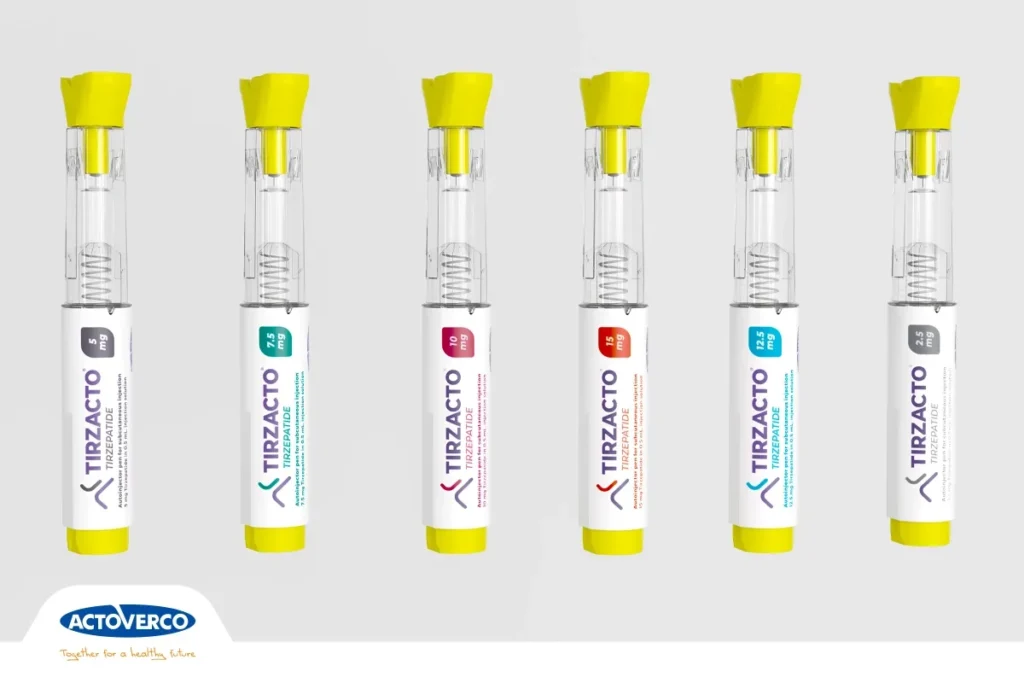
Most injectable weight management medications, including GLP-1 receptor agonists and related therapies, are designed for convenient self-administration at home. These medications are injected subcutaneously, meaning into the layer of fatty tissue just beneath the skin. Common injection sites include the abdomen, thigh, and upper arm.
Although using an injection pen is generally straightforward, understanding the correct injection technique, choosing an appropriate site, and following proper care instructions can help make treatment safer and more comfortable.
How Are Weight Loss Injections Administered?
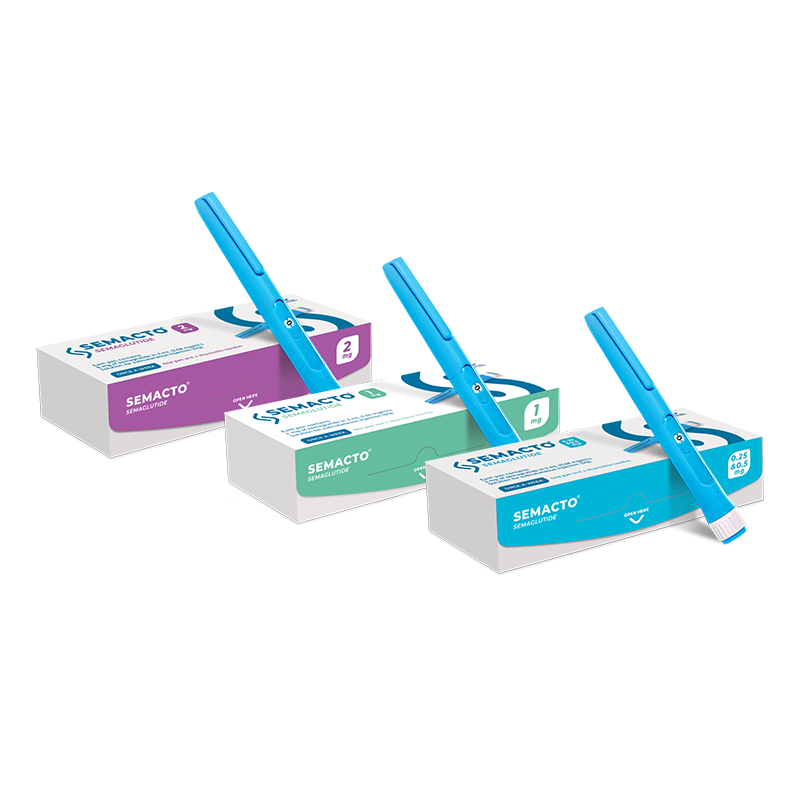
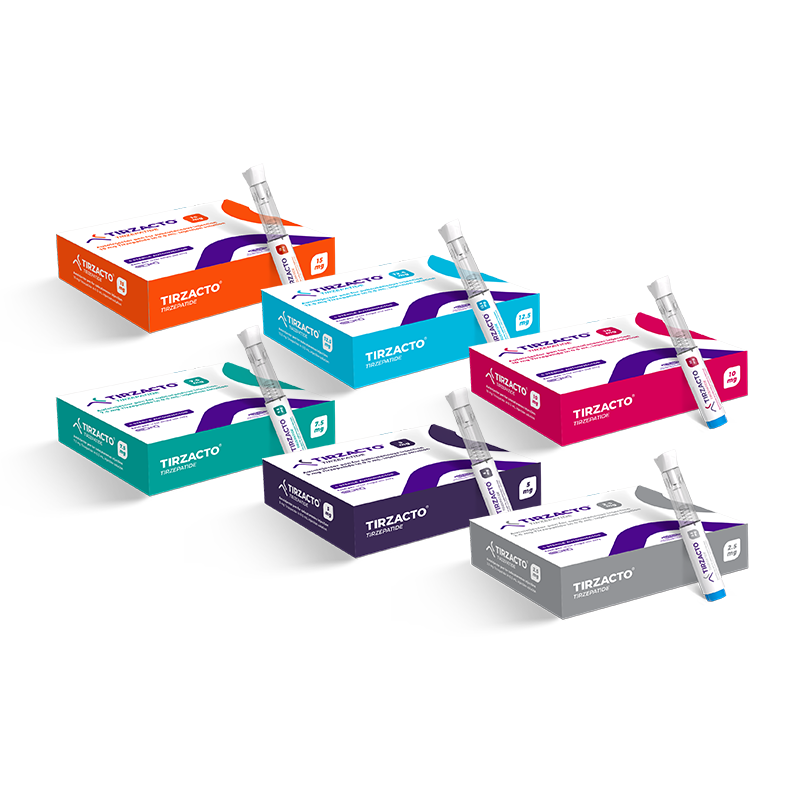
Medications such as Tirzacto® and Samacto® are administered by subcutaneous injection. This means that the medication is delivered into the fatty tissue immediately beneath the skin, where it is gradually absorbed.
These medications should not be injected intravenously or directly into the muscle.
For optimal treatment, injections should always be administered according to your healthcare provider’s instructions and the product’s official directions for use. Choosing an appropriate injection site, following the correct technique, and rotating injection sites can help reduce the risk of pain, bruising, and other local reactions.
What Is the Best Injection Site for Weight Loss Injections?
Subcutaneous medications should be injected into an area with sufficient fatty tissue. The commonly recommended injection sites include:
- Abdomen: Inject into the abdominal area, keeping at least 5 cm away from the belly button.
- Thigh: The front or outer part of the thigh can be used for subcutaneous injection.
- Upper Arm: The outer or back portion of the upper arm, between the shoulder and elbow, may also be used.
When the injection is administered correctly, there is generally no meaningful difference in effectiveness between these injection sites. Therefore, the most suitable site is usually the one that is easiest and most comfortable for you to use.
Because the back of the upper arm can be difficult to reach, injections in this area may require assistance from another person.
Healthcare professionals generally recommend rotating injection sites and avoiding repeated injections in exactly the same spot. Repeated injections into one area may cause soreness, bruising, skin thickening, or the development of fatty tissue changes such as lipohypertrophy, which may also affect medication absorption.
Avoid injecting too close to the belly button. If you accidentally inject near the navel, there is generally no reason to panic. However, if pain, bleeding, or a persistent skin reaction occurs, contact your healthcare provider.
The best injection site is ultimately one that allows you to administer the medication safely and comfortably. For example, if injecting into your abdomen is more comfortable than injecting into your arm, the abdomen may be a more convenient option. However, you should still rotate the injection site regularly and keep the new injection site at least 2 cm away from the previous one.
Step-by-Step Guide to Using an Injection Pen
For this section, a video tutorial is available. Watch the video below for a visual demonstration of the correct injection technique.
Injecting GLP-1-based medications using a prefilled or automated injection pen is generally simple, but the procedure should always follow the manufacturer’s instructions and your healthcare provider’s recommendations.
In general, the process involves preparing the pen, selecting and cleaning the injection site, positioning the pen against the skin, administering the medication, and removing the pen after the full dose has been delivered.
For a complete visual guide to injecting GLP-1 medications, watch the instructional video below.
Should You Change the Injection Site Each Time?
Regardless of which area you choose, rotating injection sites is important for long-term safety, reducing local injection-site reactions, and supporting consistent medication absorption.
Repeatedly injecting into exactly the same location can cause changes in the underlying tissue, which may interfere with medication absorption.
You can rotate injection sites in a planned pattern. For example, you can alternate different areas of the abdomen or rotate between the abdomen, thigh, and upper arm. This can help reduce the risk of tissue changes and make injections more comfortable.
What Is the Best Time to Inject a Weight Loss Medication: Morning or Night?
Many weight management medications in this category are administered once weekly. Depending on the specific medication, the injection can generally be given at a convenient time of day and does not necessarily need to be coordinated with meals.
The most practical time is one that allows you to follow your treatment schedule consistently.
There is no established clinical evidence that administering tirzepatide in the morning rather than at night improves its effectiveness or reduces the risk of side effects. Tirzepatide has a half-life of approximately 5 days, allowing it to remain in the body for an extended period. Therefore, the specific time of day is not expected to have a meaningful effect on its absorption or overall therapeutic effect.
If you experience nausea, diarrhea, fatigue, or other temporary side effects after an injection, you may prefer to administer the medication at a time when you can stay at home and manage any discomfort more easily. Some people may prefer an evening injection for this reason.
What Should You Do If You Miss an Injection?
Each medication has specific instructions regarding the timing of a missed dose. If the missed dose is still within the recommended time window, it may be administered as directed, after which the regular dosing schedule can be resumed. If the recommended window has passed, the missed dose should generally be skipped and the next dose taken on the regularly scheduled day.
The instructions for missed doses of Tirzacto® and Samacto® are as follows:
- Tirzacto® (tirzepatide): The missed dose should be administered as soon as possible within 96 hours (4 days) after the scheduled dose. If more than 4 days have passed, do not administer the missed dose. Instead, wait and take the next dose on your regular scheduled day.
- Samacto® (semaglutide): The missed dose should be administered as soon as possible within 5 days after the scheduled dose. If more than 5 days have passed, skip the missed dose and take the next dose on your regular scheduled day.
If you have missed more than one or two weeks of treatment, do not restart the medication at your previous dose without consulting your healthcare provider. After several weeks without treatment, the amount of medication in the body may decrease substantially, and restarting at the previous dose may increase the risk of adverse effects.
Your healthcare provider may recommend restarting treatment at a lower dose and gradually increasing it according to your individual response.
How Should Weight Loss Injection Pens Be Stored?
Proper storage is important for maintaining the quality and effectiveness of injectable medications.
Semaglutide
- Store Samacto® (semaglutide) in its original packaging in a refrigerator at 2°C to 8°C before and after use.
- Protect the medication from freezing and direct light.
- Do not use the medication if it has been frozen.
- Keep the medication out of the reach of children.
Tirzepatide
- Store Tirzacto® in its original packaging in a refrigerator at 2°C to 8°C.
- Do not freeze the medication. If it has been frozen, do not use it.
- When necessary, an unused Tirzacto® pen may be stored at room temperature for up to 21 days.
- If the medication has been stored at room temperature, do not return it to the refrigerator.
- Discard an unused pen after 21 days outside the refrigerator.
- Protect the medication from direct light.
- Keep the medication out of the reach of children.
Common Mistakes When Using Weight Loss Injections
When using injectable weight management medications, keep the following points in mind:
- Not Checking the Appearance of the Solution: Always inspect the medication before injection. The solution should be clear, colorless, and free of visible particles. Do not use the medication if it appears discolored, cloudy, unusually thick, contains particles, or has passed its expiration date.
- Reusing Pen Needles: Never reuse a pen needle. Needles should be used only as directed and then safely discarded. Never share your needle or injection pen with another person.
- Injecting Into Damaged Skin: Do not inject into areas that are tender, red, bruised, hardened, scarred, or affected by stretch marks or other skin damage.
- Neglecting Injection Hygiene: Wash your hands thoroughly with soap and water before handling and administering the medication.
- Removing the Pen Too Early: Keep the injection pen firmly against the skin for the amount of time specified in the product’s instructions. Removing it too early may result in an incomplete dose.
What Reactions Are Normal After an Injection?
Mild and temporary reactions at the injection site can occur with injectable weight management medications. These reactions may include:
- Swelling
- Pain or tenderness
- Skin discoloration
- Rash
If mild irritation or swelling occurs, a cool compress or an ice pack wrapped in a cloth may help relieve discomfort.
If the reaction is severe, persistent, or accompanied by other concerning symptoms, contact your healthcare provider.
How Can You Get the Most Out of Your Treatment?
Although clinical studies have shown that medications such as tirzepatide and semaglutide can play an important role in weight management, treatment outcomes are not determined by medication alone.
A balanced diet, regular physical activity, adequate sleep, and adherence to the prescribed treatment plan can all contribute to better long-term results.
Follow a Healthy Eating Plan
Weight management medications may help reduce appetite and calorie intake. However, following a balanced, reduced-calorie eating plan can support weight management during treatment.
Focus on nutrient-dense foods such as fruits, vegetables, lean sources of protein, and whole grains.
Stay Physically Active
Physical activity is important for several reasons during weight management treatment.
Aerobic activities such as brisk walking, running, or cycling can increase energy expenditure and support cardiovascular health. Strength training can help maintain and build muscle mass, which is particularly important during weight loss and may support long-term weight management.
Manage Sleep and Stress
Insufficient sleep can affect appetite regulation and may make it more difficult to maintain healthy eating habits.
Stress can also influence eating behavior and weight management. Maintaining a regular sleep schedule and using healthy stress-management strategies can therefore be an important part of a comprehensive weight management plan.
Adjust Your Dose Only Under Medical Supervision
People can respond differently to weight management medications. Treatment is generally initiated at a lower dose and may be gradually increased according to the prescribed dosing schedule.
Never increase or change your dose without consulting your healthcare provider.
Stay Consistent With Healthy Lifestyle Changes
Weight loss does not always occur at a constant rate. Periods when weight loss slows or temporarily stops can occur during treatment.
Maintaining healthy eating habits, staying physically active, and following your treatment plan consistently can help support long-term weight management and reduce the likelihood of regaining lost weight.
Final Thoughts
Correct injection technique plays an important role in the safe and effective use of injectable weight management medications. Although injection pens are generally designed to make self-administration convenient, proper site selection, regular rotation of injection sites, appropriate storage, and adherence to the prescribed instructions remain essential.
Weight management medications work best as part of a comprehensive treatment plan that includes healthy nutrition, physical activity, and appropriate medical supervision. Always use these medications according to your healthcare provider’s instructions and the official product information.
One Response
Hi,
Really helpful guide on using weight loss injections safely, especially the tips on choosing and rotating injection sites.