Weight loss injections, particularly GLP-1 receptor agonists, can lead to noticeable weight loss in many people within the first one to two months of treatment. As treatment continues, weight loss generally increases gradually, with the most significant effects often seen after several months of consistent use.
Clinical studies have shown that these medications can produce substantial weight loss when combined with a healthy diet, regular physical activity, and long-term lifestyle changes. However, the amount of weight a person loses can vary considerably. Factors such as the medication used, dosage, treatment duration, adherence, lifestyle, and individual characteristics can all affect the outcome.
How Much Weight Do GLP-1 Weight Loss Injections Typically Reduce?
Research on GLP-1 medications has shown promising results for weight management. Medications such as semaglutide and tirzepatide can help people achieve significant weight loss when used alongside dietary changes and physical activity.
The amount of weight lost is not the same for everyone. It can depend on the specific medication, dosage, duration of treatment, adherence to lifestyle changes, and individual factors.
In one clinical study, people receiving semaglutide lost an average of 15.8% of their initial body weight after 68 weeks. In another study involving people with type 2 diabetes, participants treated with tirzepatide lost an average of 17.8% of their initial body weight after 78 weeks, compared with 12.4% among those receiving semaglutide.
Overall, some studies have found that tirzepatide may produce greater weight loss than semaglutide in certain populations. One possible explanation is tirzepatide’s dual mechanism of action, which activates both GIP and GLP-1 receptors. However, the most appropriate medication should always be selected based on an individual’s medical condition and a healthcare professional’s recommendation.
How Much Weight Can You Lose in the First Month?
Starting treatment with a GLP-1 receptor agonist is an important step in a weight management plan. During the first 30 days, the body begins adapting to the medication, which works by mimicking naturally occurring hormones involved in appetite and blood glucose regulation.
Although the first month is generally considered an adjustment period, some people may already notice changes in appetite, fullness, and digestion. Treatment is typically started at a low dose and gradually increased according to the prescribed treatment plan. This gradual dose escalation can help the body adjust to the medication and may reduce the risk of certain side effects.
Some changes you may notice during the first month include:
| Possible change | What you may experience |
|---|---|
| Fewer persistent thoughts about food | You may notice that constant thoughts about eating or cravings for high-calorie foods become less frequent. |
| Feeling full sooner | You may feel satisfied more quickly than before, even after eating a relatively small amount of food. |
| Initial weight loss | Some people may experience modest weight loss during the first month as appetite and calorie intake decrease. |
However, individual responses vary significantly. Some people may not notice a significant change in their weight or appetite during the first month.
When Does the Most Significant Weight Loss Occur?
Weight loss with GLP-1 medications generally occurs gradually. Many people begin noticing changes during the first 8 to 12 weeks, while more substantial weight loss may occur from the third month onward and continue for approximately a year or longer with ongoing treatment, dietary changes, and physical activity.
Clinical studies have found that semaglutide 2.4 mg can lead to an average reduction of approximately 15% of initial body weight over about 68 weeks. Studies of tirzepatide have reported average weight loss of up to around 20% over 72 weeks.
These results represent averages from clinical trials, however, and individual responses can be lower or higher. Weight loss in real-world settings may also differ from the results observed in controlled clinical studies.
What Factors Affect How Much Weight You Lose?
People respond differently to GLP-1 weight loss medications. Several factors can influence how effective treatment is, including:
- Diet
- Physical activity
- Metabolic health
- Menstrual cycle
- Sleep
- Stress levels
- Medication dosage
- Treatment adherence
- Underlying health conditions
The medication dose is particularly important. Treatment is usually started at a lower dose so that the body has time to adjust and the risk of side effects can be reduced. As a result, significant weight loss may not occur during the first few weeks.
Depending on the medication and the individual’s response, a healthcare professional may gradually increase the dose toward the recommended therapeutic or maintenance dose. This process can take several weeks or months. For this reason, maintaining realistic expectations and following the prescribed treatment plan are important for achieving the best possible results.
Why Do Some People Lose More Weight Than Others?
Not everyone responds to GLP-1 medications in the same way. Research suggests that genetic differences may partly explain why some people respond more strongly to these medications than others. However, genetics are only one possible factor.
Other factors may include underlying medical conditions, lifestyle habits, treatment adherence, and whether the medication is being used at an appropriate dose.
In some cases, people may not achieve the expected results because of factors such as inadequate dose escalation, discontinuing treatment too early because of gastrointestinal side effects, insufficient treatment duration, sleep problems, significant insulin resistance, sarcopenia, or weight gain associated with other medications.
Identifying and addressing these factors may help improve the overall response to treatment.
What If You Are Not Losing Weight?
The definition of an adequate response to a weight loss medication can vary depending on the medication, treatment duration, and clinical circumstances. In general, healthcare professionals assess whether a person is achieving clinically meaningful weight loss after an appropriate period of treatment rather than expecting substantial changes within the first few weeks.
Some people may respond poorly or more slowly to GLP-1 medications. Common factors that may contribute include the following.
Not Making Lifestyle Changes
GLP-1 medications are generally most effective when combined with healthy lifestyle habits. Important measures include:
- Following a balanced diet emphasizing nutrient-dense foods and adequate protein
- Engaging in regular physical activity
- Managing stress
- Getting sufficient, high-quality sleep
Not addressing these factors may make long-term weight management more difficult.
Not Taking the Medication as Prescribed
Following the prescribed dosing schedule is important for treatment success. GLP-1 medications are generally intended to be used as part of a longer-term treatment strategy.
Stopping treatment too early, missing doses, or not following the recommended dose-escalation schedule may prevent you from achieving the expected therapeutic benefits.
Other Medical Conditions
Certain underlying conditions can make weight management more difficult. For example, untreated hypothyroidism, chronic sleep problems, and other metabolic or hormonal conditions may contribute to difficulty losing weight.
These conditions should be evaluated and appropriately managed as part of a comprehensive weight management plan.
Insulin Resistance and Type 2 Diabetes
Some studies suggest that people with type 2 diabetes may experience somewhat different weight-loss responses compared with people without diabetes. Metabolic changes associated with diabetes and insulin resistance can make weight management more complex.
Nevertheless, GLP-1-based medications can still provide important benefits for people with type 2 diabetes, including improved blood glucose control and weight reduction. Depending on the individual response, treatment may need to continue for longer or the dosage may need to be adjusted by a healthcare professional.
Other Medications
Some medications can contribute to weight gain or make weight loss more difficult. Examples may include certain psychiatric medications, corticosteroids, and other drugs that affect appetite, metabolism, or body weight.
If you are taking medications that may affect your weight, discuss them with your healthcare professional rather than stopping or changing them on your own.
How Much Do Diet and Exercise Affect Weight Loss?
As with other weight management approaches, lifestyle changes remain important for achieving and maintaining long-term results.
Combining GLP-1 medication with a healthy diet and regular physical activity may support greater weight loss, improve overall health, and help maintain the benefits of treatment over time.
Follow a Healthy Diet
A balanced diet and adequate fluid intake can help support overall health during treatment. Some people experience gastrointestinal symptoms such as nausea, particularly when starting or increasing the dose of GLP-1 medications. Dietary adjustments may help make these symptoms easier to manage.
A healthy eating pattern should provide adequate protein, fiber, vegetables, whole grains, and other nutrient-dense foods.
Stay Physically Active
Regular aerobic activities such as brisk walking, running, or cycling can increase energy expenditure and support cardiovascular health.
Resistance training is also particularly important during weight loss because it can help preserve muscle mass. Maintaining muscle mass supports physical function and metabolic health and can be especially important when substantial weight is lost.
Does Weight Loss Stop After You Reach Your Goal Weight?
Weight loss typically slows down over time. Depending on the medication and individual response, a person may eventually reach a period in which weight loss becomes slower or plateaus after several months of treatment.
A weight-loss plateau does not necessarily mean that the medication has stopped working. It may reflect physiological adaptation to lower calorie intake, changes in energy expenditure, or reaching the medication’s maximum effect.
If your weight loss has plateaued but you have not yet reached your treatment goals, do not stop your medication without speaking with your healthcare professional. Your treatment plan may need to be reassessed, which could include reviewing the dosage, dietary pattern, physical activity, or resistance-training program.
What Happens After Reaching Your Treatment Goals?
When treatment begins, healthcare professionals generally use a gradual dose-escalation approach to help the body adjust to the medication and reduce the likelihood of treatment-related side effects.
As treatment progresses, your healthcare professional may evaluate:
- How well you tolerate the medication and its side effects
- Whether you have reached your treatment goals
- Whether continued treatment is appropriate for maintaining your results
Depending on the medication and your individual circumstances, a maintenance dose may be recommended to help maintain the benefits achieved during treatment.
How Can You Get the Best Results From Weight Loss Injections?
Lifestyle habits play an important role in maximizing the benefits of GLP-1 medications and maintaining weight loss over the long term.
Three areas deserve particular attention: regular physical activity, adequate sleep, and a balanced diet.
Exercise Regularly
One important concern during significant weight loss is the loss of lean muscle mass along with body fat. Although the primary goal of treatment is to reduce excess body weight, some of the weight lost may come from lean tissue.
For this reason, regular physical activity—particularly resistance training—combined with adequate protein intake can help preserve muscle mass during weight loss.
Maintaining muscle mass is important for strength, physical function, metabolic health, and insulin sensitivity. Excessive loss of muscle tissue may also reduce energy expenditure and make long-term weight maintenance more difficult.
For these reasons, weight loss treatment is generally best supported by regular physical activity and adequate dietary protein.
Make Sleep a Priority
Sleep may not be the first factor that comes to mind when discussing weight loss, but sleep quality can influence appetite, energy levels, and overall weight-management behaviors.
Poor sleep can make it harder to make healthy food choices and maintain regular physical activity. Sleep deprivation has also been associated with hormonal and metabolic changes that may affect body weight.
Research has found an association between insufficient sleep and a higher body mass index (BMI), while chronic sleep deprivation has been identified as a potential risk factor for weight gain and obesity.
Maintain a Healthy Diet
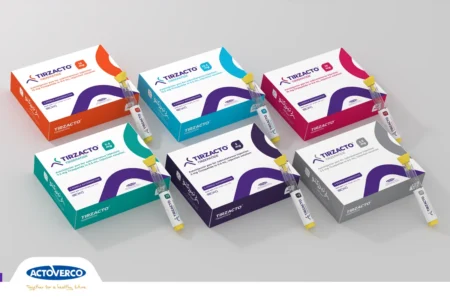
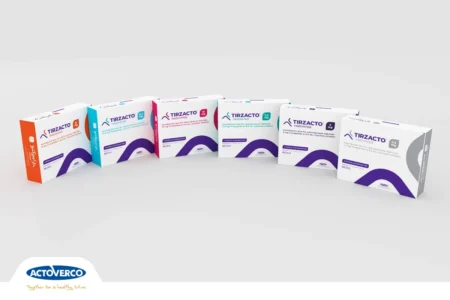
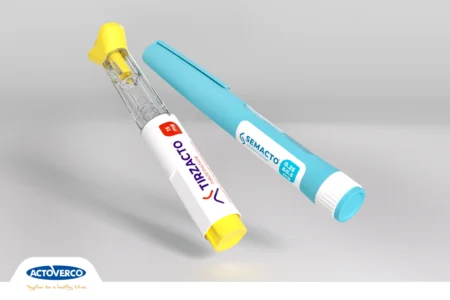
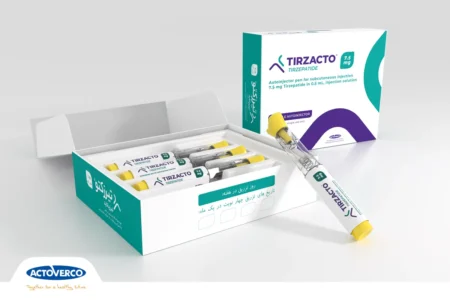
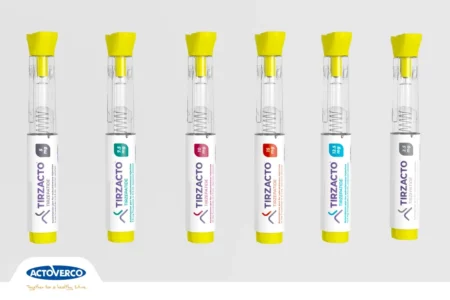
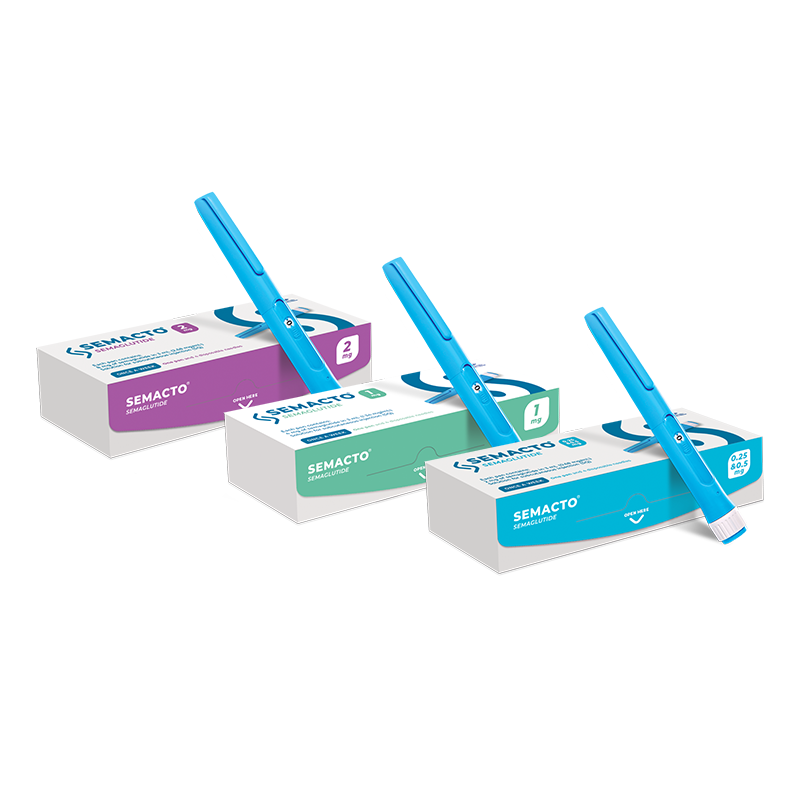
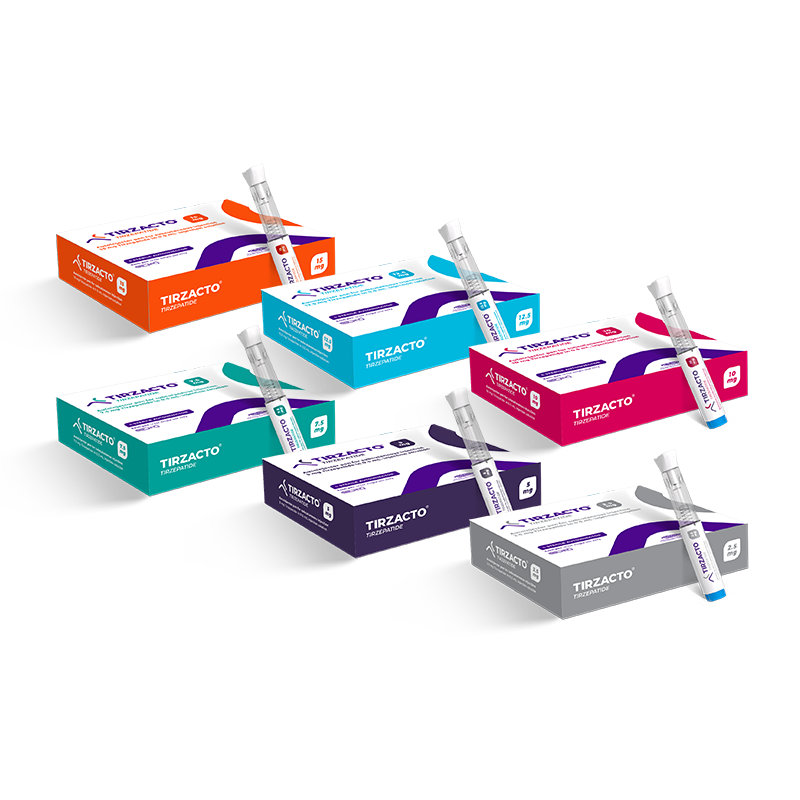
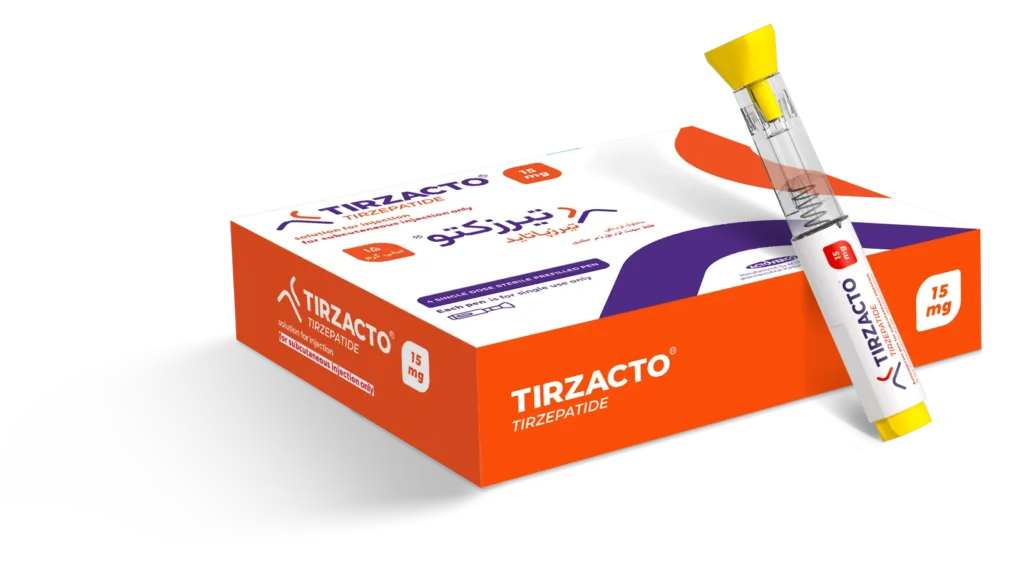
Although medications such as Tirzacto® and Semacto® may produce significant weight loss, nutrition remains important—particularly if your goal is to maintain your results over the long term.
GLP-1-based medications influence appetite and satiety, which can make it easier to consume fewer calories. However, eating less does not automatically mean that the body is receiving all the nutrients it needs.
A balanced eating pattern should include adequate protein, fiber, vegetables, whole grains, healthy fats, and other nutrient-dense foods. Adequate protein intake is particularly important during weight loss because it can help support muscle preservation.
Manage Your Stress
Stress can also affect weight management. Like insufficient sleep, chronic stress may be associated with increased cortisol levels and changes in appetite, metabolism, and insulin sensitivity.
Stress-management techniques such as deep breathing, mindfulness, meditation, and regular physical activity may help support healthier habits and overall well-being.
Overall, regular exercise, adequate sleep, stress management, and a balanced diet can complement GLP-1 treatment and support long-term weight management.
What Is a Realistic Amount of Weight Loss With Weight Loss Injections?
The amount of weight a person can lose with weight loss injections varies considerably depending on the medication, dosage, treatment duration, medical conditions, and lifestyle.
Clinical trials of GLP-1-based medications have reported substantial average weight reductions in people with obesity, but these results occur gradually over many months and should not be interpreted as a guaranteed outcome for every patient.
It is important to have realistic expectations. Weight loss of 30% to 40% of initial body weight should not generally be considered a typical expectation from GLP-1 medications alone.
Instead, treatment goals should be individualized based on your starting weight, health status, medication, response to treatment, and recommendations from your healthcare professional.
Final Thoughts
GLP-1-based weight loss injections can help many people achieve clinically meaningful weight loss and improve aspects of metabolic health. However, the amount of weight lost varies from person to person and depends on factors such as the medication, dosage, treatment duration, individual health, treatment adherence, diet, physical activity, sleep, and other lifestyle factors.
Weight loss should therefore be viewed as a gradual process rather than a rapid transformation. Regular medical follow-up, taking medication exactly as prescribed, maintaining a balanced diet, exercising regularly, and developing sustainable lifestyle habits can all contribute to better long-term outcomes.
FAQs
How much weight can you lose with weight loss injections?
The amount varies depending on the medication and individual circumstances. Clinical trials of medications such as semaglutide and tirzepatide have reported average weight losses of approximately 15% to 20% or more over extended treatment periods in some populations.
How much weight can you lose in the first month?
Weight loss during the first month is often modest because treatment usually begins with a lower dose. Some people notice reduced appetite and early weight loss, while others may not see a significant change in their weight during the first few weeks.
When do weight loss injections start working?
Changes in appetite may occur relatively early, but meaningful weight loss generally develops gradually over several weeks and months. Individual responses can vary.
Which weight loss injection causes the most weight loss?
Clinical trials have reported greater average weight loss with tirzepatide than with some other GLP-1-based medications in certain populations. However, effectiveness alone should not determine which medication is appropriate for an individual.
Why am I not losing weight with a GLP-1 medication?
Possible reasons include insufficient treatment duration, inadequate dose escalation, poor treatment adherence, lifestyle factors, underlying medical conditions, sleep problems, or other medications that affect body weight. A healthcare professional can review these factors and determine whether the treatment plan needs adjustment.
Can diet and exercise increase the effectiveness of weight loss injections?
Yes. A balanced diet, adequate protein intake, regular physical activity, resistance training, sufficient sleep, and stress management can support weight loss and help preserve muscle mass during treatment.
Does weight loss eventually plateau?
Yes. Weight loss often slows over time, and some people eventually reach a plateau. This does not necessarily mean that the medication has stopped working. Your healthcare professional can reassess your treatment plan if your progress has stalled.
Can weight loss injections cause muscle loss?
Some lean mass may be lost along with body fat during substantial weight loss. Adequate protein intake and resistance training can help preserve muscle mass during the weight-loss process.