As GLP-1 weight loss injections become increasingly popular, many people wonder whether these medications are right for them. The simple answer is that each person should be evaluated individually by a healthcare professional. In general, these medications may be used to manage type 2 diabetes, obesity, and overweight in people with weight-related health conditions.
Although starting treatment with a weight loss injection requires consultation with a doctor, understanding the general eligibility criteria can help you determine whether you may be a potential candidate for these medications.
How Do Doctors Determine Who Can Receive Weight Loss Injections?
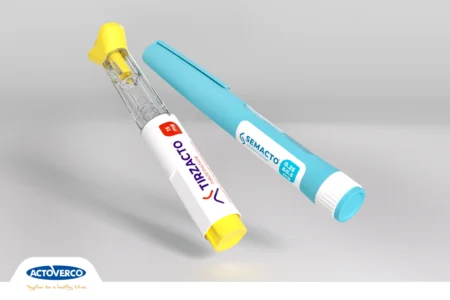
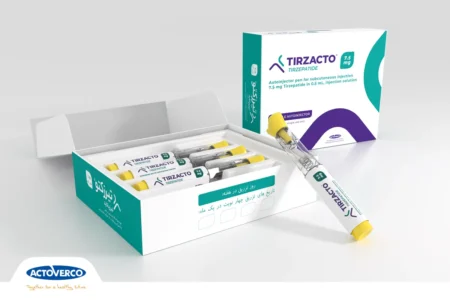
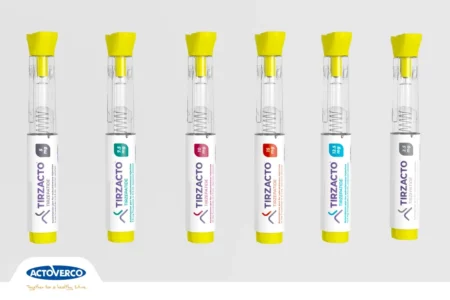
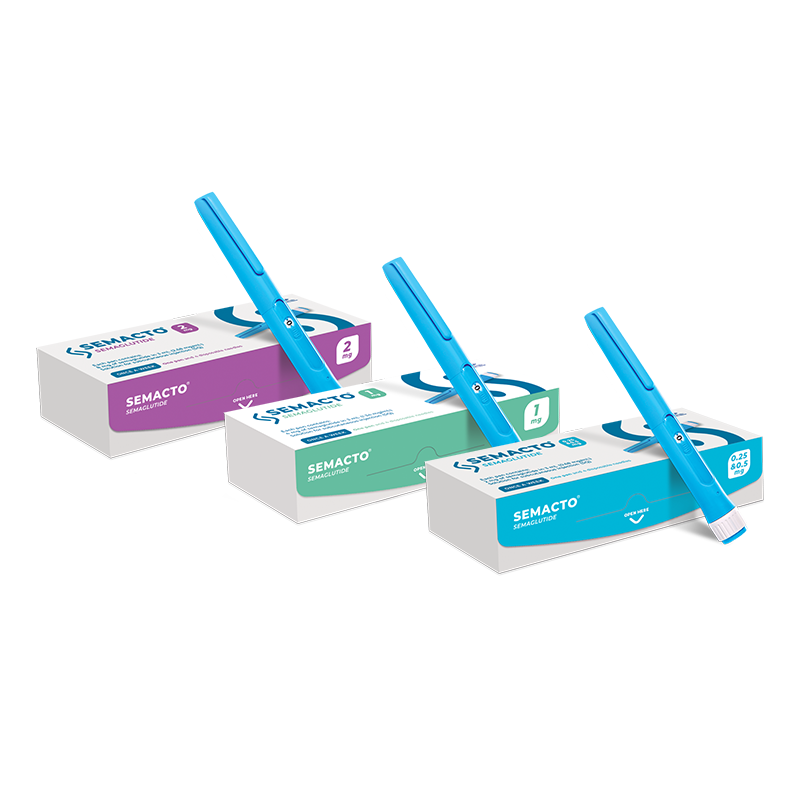
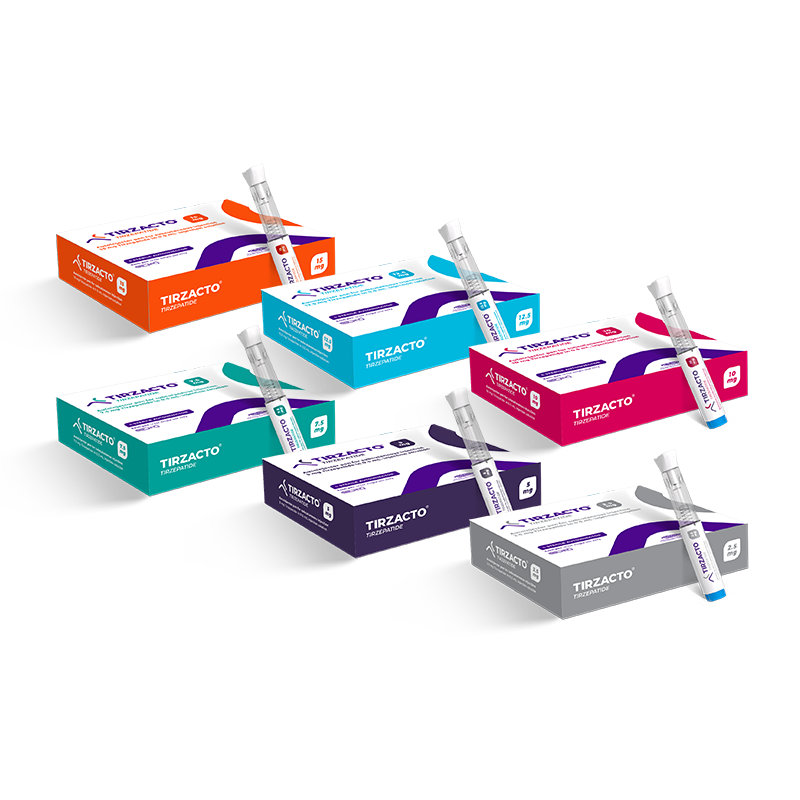
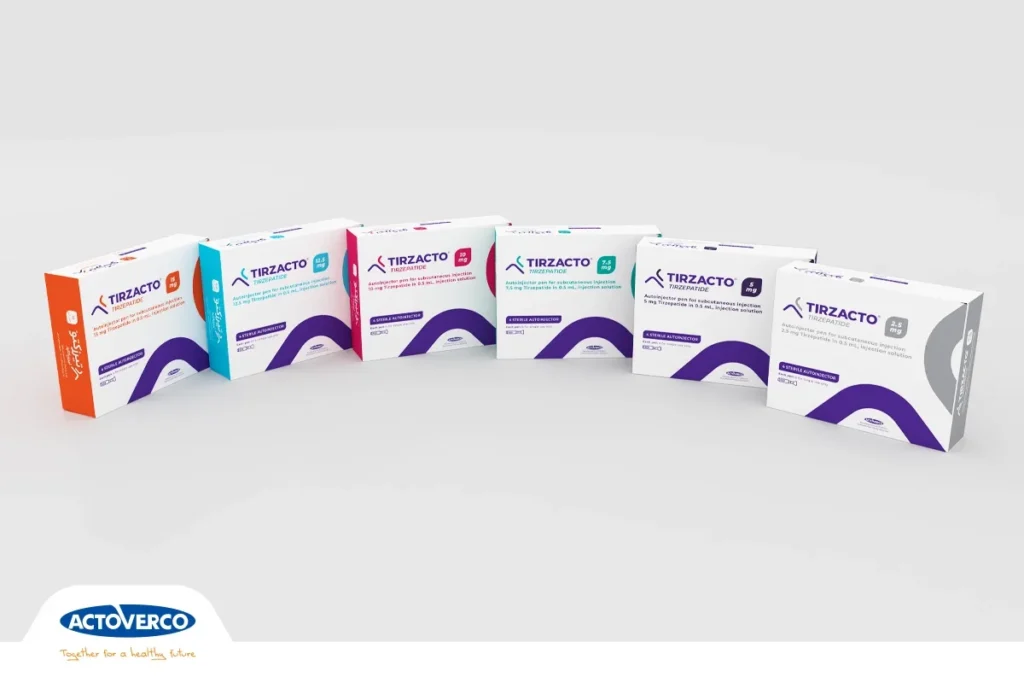
Weight loss injections generally refer to medications that work through the GLP-1 pathway. Examples include Tirzacto® (tirzepatide) and Semacto® (semaglutide). These medications may be used in people with type 2 diabetes and for weight management.
One of the ways these medications support weight loss is by slowing gastric emptying, which can help people feel full for longer after eating.
Depending on your overall health, body mass index (BMI), and existing medical conditions, a doctor may consider these medications for adults who meet one or more of the following criteria:
- Adults with type 2 diabetes
- Adults with obesity and a body mass index (BMI) of 30 or higher
- Adults who are overweight, with a BMI of 25 to less than 30, and have at least one weight-related condition, such as high blood pressure, type 2 diabetes, or high cholesterol
Semaglutide may also be used for weight management in eligible adolescents aged 12 years and older.
What Role Does BMI Play in Prescribing Weight Loss Injections?
BMI stands for Body Mass Index. It is a simple numerical measure calculated using a person’s height and weight. The formula is:
BMI = Weight (kg) ÷ Height² (m)
For example, if you weigh 90 kg and are 1.70 meters tall, your BMI would be:
90 ÷ (1.70 × 1.70) = 31.1
It is important to understand that BMI does not directly measure body fat. However, it is a widely used measure for determining whether a person’s weight falls within a healthy range for their height.
BMI is often one of the key factors doctors consider when deciding whether weight-loss medication may be appropriate. This is partly because these medications can cause side effects, and BMI can help identify people who are more likely to obtain a meaningful clinical benefit rather than people who simply want to lose a small amount of weight for cosmetic reasons.
Other Factors Doctors Consider Before Prescribing Weight Loss Injections
BMI is not the only factor involved in the decision. Doctors may also consider:
- Whether you have weight-related conditions such as type 2 diabetes, high blood pressure, high cholesterol, or obstructive sleep apnea
- Your medical history and whether you have any contraindications to the medication
- Previous attempts to lose weight through diet and lifestyle changes
- Whether you are able to make sustainable lifestyle changes
- The medications you currently take and the possibility of drug interactions
BMI Criteria for Weight Loss Injections
The following table summarizes the role of BMI in prescribing tirzepatide and semaglutide based on the criteria described in the original article:
| Medication | BMI of 30 or Higher | BMI of 27 or Higher |
|---|---|---|
| Tirzepatide | May be indicated for obesity | May be considered when accompanied by at least one weight-related condition |
| Semaglutide | May be indicated for obesity | May be considered when accompanied by at least one weight-related condition |
Which Underlying Conditions May Increase the Likelihood of Being Prescribed a Weight Loss Injection?
GLP-1-based medications have applications in the management of conditions such as type 2 diabetes and obesity, and certain medications in this class also have cardiovascular indications. They should generally be used as part of a broader treatment plan that includes healthy eating and regular physical activity.
Your doctor will determine whether these medications are appropriate based on your treatment goals, medical history, and overall health.
Type 2 Diabetes
GLP-1 receptor agonists may be considered for people with type 2 diabetes who do not achieve their blood glucose targets with other treatments or who require additional medication to improve glycemic control.
Obesity
Weight loss injections may be considered for people with a BMI of 30 or higher, or for people with a BMI of 27 or higher who also have at least one weight-related health condition, such as:
- Type 2 diabetes
- Prediabetes
- High blood pressure
- High cholesterol
- Cardiovascular disease
- Nonalcoholic fatty liver disease
- Obstructive sleep apnea
- Polycystic ovary syndrome (PCOS)
Doctors generally consider weight-loss medications as part of a comprehensive weight-management program, particularly when lifestyle interventions such as diet and physical activity alone have not produced the desired results.
Cardiovascular Disease
Semaglutide has also been approved by the U.S. Food and Drug Administration (FDA) to reduce the risk of cardiovascular events, including heart attack, stroke, and cardiovascular death, in certain adults with established cardiovascular disease who are overweight or have obesity, with or without type 2 diabetes.
Therefore, adults with cardiovascular disease who are also overweight or have obesity may be eligible for semaglutide when their doctor determines that it is appropriate. The medication should be used alongside a balanced, reduced-calorie diet and increased physical activity.
Can People Who Are Only Slightly Overweight Use Weight Loss Injections?
A BMI between 25 and 29.9 generally falls within the overweight range. Having a BMI in this range does not automatically mean that you are a candidate for a weight loss injection.
A doctor may consider GLP-1-based weight management medication when additional eligibility criteria are met, such as:
- A BMI of 30 or higher
- A BMI of 27 or higher accompanied by at least one weight-related condition, such as high blood pressure or high cholesterol
- Failure to achieve sufficient weight loss despite lifestyle changes
- A history of repeated weight fluctuations or weight regain
Therefore, people with a BMI of 27 or higher may be considered for weight-loss medication when they also have at least one weight-related medical condition.
If you are unsure whether GLP-1 medication is appropriate for you, discuss your medical history and weight-management goals with your doctor.
Are Weight Loss Injections Recommended for Teenagers and Older Adults?
The FDA has approved semaglutide for weight management in eligible adolescents aged 12 years and older. For adolescents with obesity who have not achieved adequate results through other weight-management approaches, a GLP-1 medication may be considered when appropriate.
However, doctors need to take particular care when prescribing weight loss injections to adolescents. Treatment decisions should take into account the individual’s growth, development, overall health, and potential risks and benefits.
Weight Loss Injections for Older Adults
Adults over 60 should also receive an individualized medical assessment before starting a weight loss injection. The potential benefits and risks of treatment can vary depending on age, existing medical conditions, nutritional status, and other medications.
Weight loss injections may be an option for some older adults with obesity, particularly those with weight-related health conditions. However, factors such as dehydration, drug interactions, and loss of muscle mass require particular attention in this age group.
For this reason, weight loss injections should be used under medical supervision in older adults.
Can People With Thyroid, Liver, or Kidney Disease Use Weight Loss Injections?
If you or a member of your family currently has or has previously had a thyroid tumor, thyroid cancer, or multiple endocrine neoplasia type 2 (MEN2), you should tell your doctor before starting a GLP-1-based medication.
A personal or family history of medullary thyroid carcinoma (MTC) is particularly important because certain GLP-1-based medications carry a boxed warning regarding this condition.
Liver Disease
Some GLP-1-based medications may have a role in the management of metabolic dysfunction-associated steatohepatitis (MASH) in appropriate patients, depending on the specific medication and clinical circumstances.
People with advanced liver disease or cirrhosis require an individualized medical assessment before using weight-loss medications.
Kidney Disease
Some GLP-1-based medications may provide benefits for people with chronic kidney disease and may help reduce the risk of certain kidney-related complications in appropriate patients.
However, people with significant kidney impairment require careful medical monitoring. Vomiting, diarrhea, reduced food and fluid intake, and dehydration can potentially affect kidney function.
Weight Loss Injections During Pregnancy and Breastfeeding
Weight loss injections should not be used for weight-loss purposes during pregnancy. Some studies in animals have raised concerns about potential effects on fetal development.
If you are of reproductive age and are taking a weight-loss medication, discuss appropriate contraception with your healthcare provider. If you become pregnant while using the medication, contact your doctor promptly.
Weight-loss medications are also generally not recommended during breastfeeding unless a healthcare professional specifically determines that a particular medication is appropriate.
What Tests May Be Needed Before Starting Treatment?
Before starting a weight loss injection, your doctor may recommend laboratory tests to obtain a clearer picture of your overall health. The tests ordered will depend on your medical history, symptoms, medications, and the specific drug being considered. Possible tests may include:
- Blood glucose, including fasting blood glucose and HbA1c
- Kidney function tests, including creatinine and eGFR
- Liver function tests, including ALT and AST
- Thyroid function tests, such as TSH, T3, and T4, when clinically indicated
- A lipid profile to assess cholesterol and triglyceride levels
- Complete blood count (CBC)
These tests can help your doctor identify potential health concerns and determine whether treatment is appropriate and safe for you.
What Factors May Prevent a Doctor From Prescribing a Weight Loss Injection?
Not everyone is a suitable candidate for GLP-1-based weight loss medications. Depending on the specific medication, a doctor may avoid prescribing treatment or may require additional evaluation in people with certain medical conditions.
Personal or Family History of Medullary Thyroid Carcinoma
Some GLP-1-based medications carry a contraindication for people with a personal or family history of medullary thyroid carcinoma (MTC). This warning is based on findings from animal studies involving thyroid C-cell tumors.
Multiple Endocrine Neoplasia Type 2 (MEN2)
MEN2 is a rare inherited condition that increases the risk of certain endocrine tumors, including medullary thyroid carcinoma. People with MEN2 should inform their doctor before considering GLP-1-based treatment.
History of Diabetic Ketoacidosis
Diabetic ketoacidosis (DKA) is a serious diabetes complication. A history of DKA is an important consideration when determining whether a particular diabetes or weight-management medication is appropriate.
Severe Gastrointestinal Disease
People with severe gastrointestinal disorders, including severe gastroparesis, may be at greater risk of gastrointestinal side effects from medications that affect gastric emptying. Their doctor should carefully evaluate whether treatment is appropriate.
History of Pancreatitis
There have been reports of pancreatitis in people using GLP-1 receptor agonists. People with a history of pancreatitis should discuss this with their doctor before starting treatment, while symptoms suggestive of acute pancreatitis require prompt medical evaluation.
Severe Kidney or Liver Disease
People with severe kidney or liver disease may require additional evaluation and monitoring before using weight loss medications. The suitability of treatment depends on the specific medication and the individual’s overall medical condition.
Pregnancy and Breastfeeding
Weight-loss medications are generally not appropriate during pregnancy, and their use during breastfeeding should only be considered after consultation with a healthcare professional.
Before starting a weight loss injection, discuss your medical history, existing conditions, current medications, and any concerns you have with your doctor.
What Should You Expect Before Starting Treatment?
Treatment with weight loss injections is usually started at a low dose, which allows the body to gradually adapt to the medication and may help reduce side effects.
Most people should not expect dramatic weight loss during the first week of treatment. Some people may lose a small amount of weight early on because of reduced appetite or smaller meal portions.
However, meaningful and sustained weight loss generally develops gradually over several months as the medication is continued and healthy lifestyle changes are maintained.
Common Side Effects During the First Weeks
Side effects can be particularly noticeable when treatment is first started because the body is adjusting to the medication. For many people, these symptoms are mild and temporary.
Common side effects may include:
- Nausea
- Vomiting
- Constipation
- Bloating
- Diarrhea
- Reduced energy
Eating smaller meals and limiting high-fat foods may help reduce gastrointestinal discomfort. Increasing dietary fiber and fluid intake may also help prevent constipation, provided that your doctor has not advised otherwise.
Is a Weight Loss Injection Right for Me?
Weight loss injections that work through the GLP-1 pathway may be used in the management of type 2 diabetes, obesity, and overweight accompanied by certain weight-related health conditions.
In general, obesity is defined as a BMI of 30 or higher, while a BMI of 25 to less than 30 falls within the overweight range.
If you meet some of the criteria discussed above, a GLP-1-based medication may be an appropriate treatment option. However, meeting a BMI threshold alone does not mean that you should start a weight loss injection.
The final decision should be made by a healthcare professional after considering your medical history, BMI, existing health conditions, current medications, previous weight-management efforts, and the potential benefits and risks of treatment.
You and your doctor can then determine which weight-management approach is most appropriate for your individual needs.
FAQs
Who is generally eligible for weight loss injections?
Weight loss medications may be considered for adults with obesity or for adults who are overweight and have at least one weight-related health condition. Eligibility depends on the specific medication and the individual’s medical history.
What BMI is needed for weight loss injections?
For many prescription weight-management medications, treatment may be considered for people with a BMI of 30 or higher, or for people with a BMI of 27 or higher who also have a weight-related medical condition. The exact criteria depend on the medication.
Can I use a weight loss injection if I only want to lose a few kilograms?
Weight loss injections are prescription medications intended for specific medical indications. They are not generally intended for people who simply want to lose a small amount of weight for cosmetic reasons.
Can teenagers use weight loss injections?
Certain weight-management medications, including semaglutide, have been approved for eligible adolescents aged 12 years and older. Treatment should be determined by a healthcare professional based on the teenager’s health and individual circumstances.
Can older adults use GLP-1 weight loss injections?
Some older adults may be candidates for these medications, but age-related factors such as dehydration, nutritional status, muscle mass, kidney function, and potential drug interactions should be carefully evaluated by a doctor.
Can people with thyroid disease use weight loss injections?
It depends on the type of thyroid condition. A personal or family history of medullary thyroid carcinoma or MEN2 is particularly important and should be discussed with a doctor before treatment.
Are weight loss injections safe during pregnancy?
Weight-loss medications should not be used for weight-loss purposes during pregnancy. Anyone who becomes pregnant while taking one of these medications should contact their healthcare provider.
Do I need blood tests before starting a weight loss injection?
Depending on your health history and the medication being considered, your doctor may order tests such as blood glucose, HbA1c, kidney function, liver function, lipid profile, and other tests when clinically indicated.
How quickly do weight loss injections work?
The amount and speed of weight loss vary between individuals and medications. Significant and sustained weight loss generally takes time and is achieved through continued treatment combined with appropriate lifestyle changes rather than during the first few days of treatment.
Conclusion
GLP-1-based weight loss injections can be an effective treatment option for appropriately selected patients, but they are not suitable for everyone. BMI, weight-related medical conditions, medical history, current medications, age, and potential contraindications all play a role in determining whether treatment is appropriate.
If you are considering a weight loss injection, do not start treatment based solely on your BMI or online eligibility criteria. A healthcare professional should evaluate your individual circumstances and determine whether the potential benefits outweigh the risks.