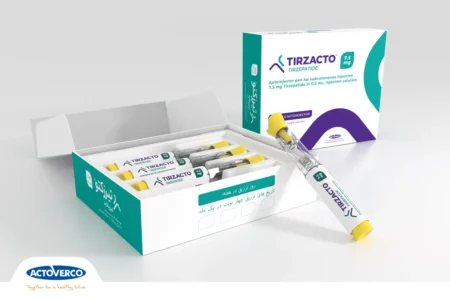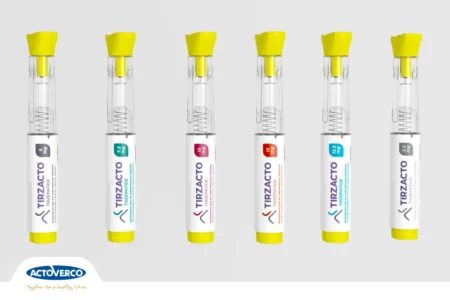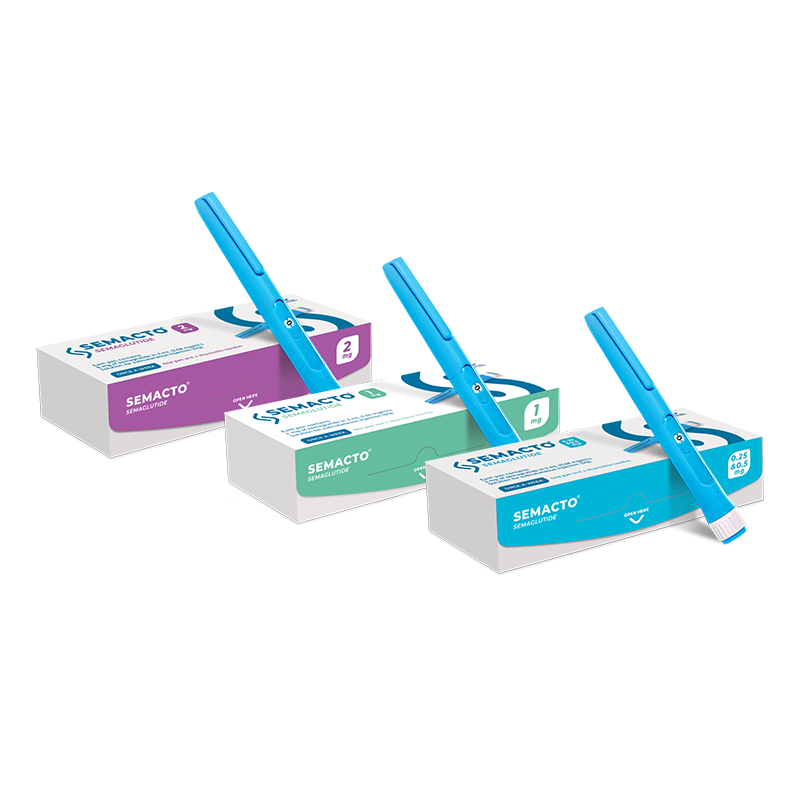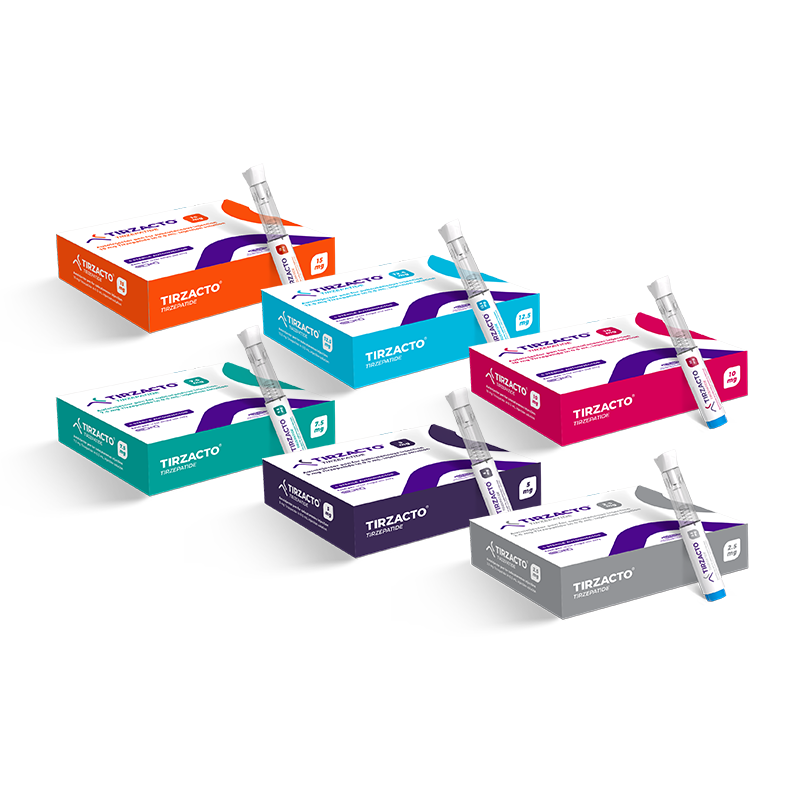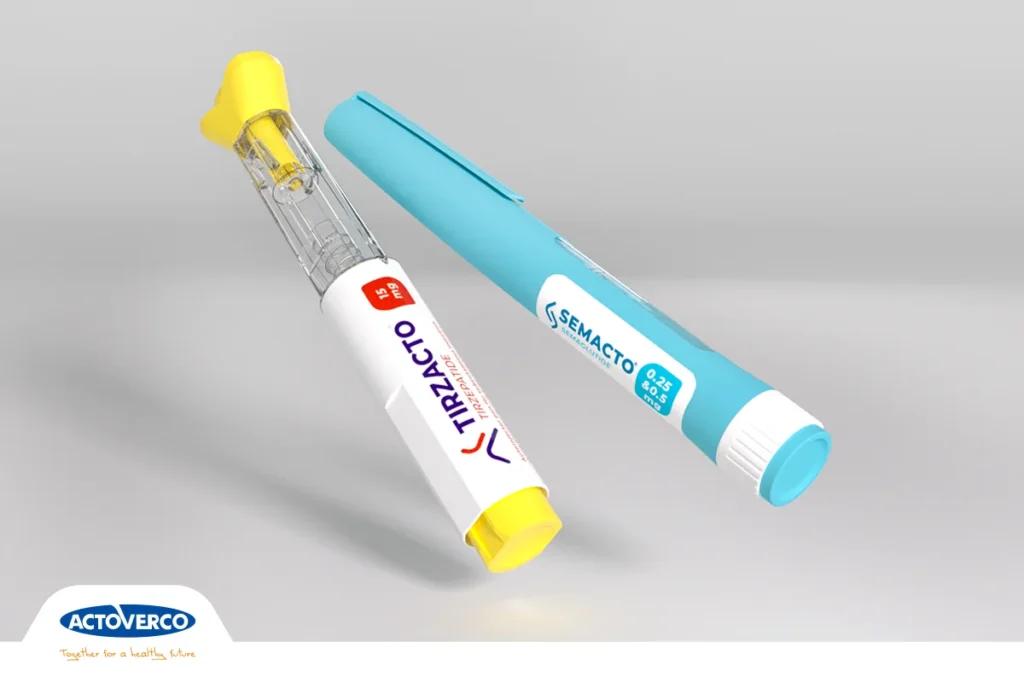
Tirzepatide and semaglutide are two newer medications that have gained significant attention in the field of weight management. Both medications can help with weight control by reducing appetite and food intake, but they differ in their mechanisms of action and treatment outcomes.
Clinical research suggests that tirzepatide may produce greater weight loss than semaglutide in some settings. However, the effectiveness and suitability of either medication can vary from person to person.
How Do Tirzepatide and Semaglutide Work?
After eating, the gastrointestinal tract releases hormones known as incretins, including glucagon-like peptide-1 (GLP-1) and glucose-dependent insulinotropic polypeptide (GIP). These hormones help regulate blood glucose by stimulating glucose-dependent insulin secretion. They also influence appetite, satiety, and gastric emptying.
Semaglutide is a GLP-1 receptor agonist. By mimicking the effects of GLP-1, it can increase insulin secretion in response to elevated blood glucose, reduce glucagon secretion, slow gastric emptying, and decrease appetite. These effects can improve blood glucose control in people with type 2 diabetes and can also contribute to weight loss.
Tirzepatide works differently because it is a dual GIP and GLP-1 receptor agonist. In addition to activating the GLP-1 pathway, it acts on GIP receptors. The combined activity of these two pathways may provide additional effects on blood glucose regulation, appetite control, and body weight.
Clinical studies have reported greater reductions in body weight and HbA1c with tirzepatide than with semaglutide in certain treatment settings. However, the choice between these medications should take into account the individual’s medical history, treatment goals, coexisting conditions, and healthcare provider’s recommendations.
What is HbA1c?
HbA1c is a blood test commonly used to monitor blood glucose levels in people with diabetes. It reflects average blood glucose levels over approximately the previous two to three months.
Which Medication Produces Greater Weight Loss?
Clinical studies suggest that tirzepatide may result in greater reductions in body weight than semaglutide in certain populations. However, the specific doses used in comparative studies are important when interpreting these results.
For example, in one comparative study, semaglutide was administered at a weekly dose of 1 mg, whereas the dose commonly used for weight management with semaglutide can be higher. Therefore, the results of a study comparing specific doses should not automatically be interpreted as proof that one medication is universally more effective than the other for weight loss.
Choosing the most appropriate treatment for weight management depends on the individual’s health status, treatment goals, other medications, and potential risks. A healthcare professional can help determine which treatment is more appropriate based on these factors.
How Do Tirzepatide and Semaglutide Compare in Weight Loss Over Time?
Research comparing these two medications in people with type 2 diabetes has found that tirzepatide may provide greater weight reduction than semaglutide.
In a large real-world comparative study involving approximately 41,000 people, around 32,000 received semaglutide and approximately 9,000 received tirzepatide. About 52% of the participants had type 2 diabetes.
Researchers evaluated changes in body weight at 3, 6, and 12 months.
After one year, a greater proportion of people treated with tirzepatide achieved clinically meaningful weight loss compared with those receiving semaglutide.
The reported results included:
- Approximately 82% of people receiving tirzepatide lost more than 5% of their body weight, compared with around 65% of those receiving semaglutide.
- Approximately 62% of people receiving tirzepatide lost at least 10% of their body weight, compared with around 38% of those receiving semaglutide.
- Approximately 42% of people receiving tirzepatide lost at least 15% of their body weight, compared with around 19% of those receiving semaglutide.
These findings provide useful real-world evidence, but differences in treatment dose, patient characteristics, treatment indications, and other factors should be considered when interpreting comparisons between the two medications.
Tirzepatide vs. Semaglutide for Blood Glucose Control
Both tirzepatide and semaglutide can significantly improve blood glucose control in people with type 2 diabetes.
Clinical trials have shown that tirzepatide can produce substantial reductions in HbA1c. In some studies, the 15 mg dose of tirzepatide reduced HbA1c by approximately 2 percentage points compared with baseline or placebo, depending on the study design.
In comparative clinical research, the 10 mg dose of tirzepatide reduced HbA1c by approximately 1.86 percentage points, while a 2 mg dose of semaglutide produced an average reduction of approximately 1.62 percentage points.
Overall, research suggests that tirzepatide can produce greater reductions in HbA1c than semaglutide in certain comparative studies. However, treatment response varies between individuals, and results depend on factors such as the dose, treatment duration, baseline HbA1c, and the population studied.
Which Medication Has Fewer Side Effects?
Tirzepatide and semaglutide have several side effects in common. Most of the commonly reported adverse effects involve the gastrointestinal system and may range from mild to moderate.
Common side effects may include:
- Nausea
- Vomiting
- Diarrhea
- Constipation
- Stomach discomfort
- Abdominal pain
- Headache
- Fatigue
- Decreased appetite
- Hypoglycemia, particularly when used with certain other glucose-lowering medications
More serious but less common potential adverse effects may include:
- Changes in vision
- Pancreatitis
- Kidney problems
- Gallbladder problems
- Serious allergic reactions
Both medications also carry important warnings and precautions related to thyroid C-cell tumors based on findings from animal studies. The clinical significance of this risk in humans remains uncertain, and these medications are generally contraindicated in people with a personal or family history of medullary thyroid carcinoma or MEN 2.
The frequency and severity of side effects can vary depending on the dose and individual patient characteristics. Any concerning or persistent symptoms should be discussed with a healthcare professional.
Comparing Dosage, Injection Frequency, and Treatment Progression
Tirzepatide and semaglutide are different medications and therefore have different dosing schedules. The appropriate dose depends on the specific product, treatment indication, individual response, and healthcare provider’s instructions.
Typical dose-escalation schedules may include:
| Medication | Weeks 1–4 | Weeks 5–8 | Subsequent Weeks | Maintenance Dose |
| Tirzepatide | 2.5 mg once weekly | 5 mg once weekly | The dose may be increased in 2.5 mg increments after at least 4 weeks on the current dose | 5, 10, or 15 mg once weekly, depending on the indication and treatment response |
| Semaglutide | 0.25 mg once weekly | 0.5 mg once weekly | The dose may be increased gradually according to the prescribed treatment schedule | The maintenance dose depends on the specific product and indication |
Dose escalation should always follow the prescribing information for the specific product. Patients should not increase, decrease, or otherwise change their dose without medical supervision.
When Might a Doctor Choose Tirzepatide or Semaglutide?
The choice between tirzepatide and semaglutide depends on treatment goals, medical history, coexisting conditions, potential benefits, and possible adverse effects.
A medication that works well for one person may not necessarily be the most appropriate option for another. Healthcare professionals may consider several factors when choosing between these treatments.
Cardiovascular Protection
Semaglutide has demonstrated cardiovascular benefits in certain populations and is approved for reducing the risk of major cardiovascular events in specific adults with cardiovascular disease and overweight or obesity.
Kidney Disease
Semaglutide has also been approved for reducing the risk of certain kidney outcomes in specific adults with type 2 diabetes and chronic kidney disease.
Obstructive Sleep Apnea
Tirzepatide has received regulatory approval in the United States for the treatment of moderate-to-severe obstructive sleep apnea in adults with obesity.
Liver Disease
Semaglutide has also been studied extensively for metabolic dysfunction-associated steatohepatitis (MASH), and regulatory indications may vary depending on the country and specific product.
Weight Management
Tirzepatide may produce greater average weight loss than semaglutide in some comparative studies. However, both medications can be effective options for weight management, and gastrointestinal side effects are common with both treatments.
Tirzepatide vs. Semaglutide: A Complete Comparison
| Feature | Semaglutide | Tirzepatide |
| Drug class | GLP-1 receptor agonist | Dual GIP and GLP-1 receptor agonist |
| Mechanism of action | Activates the GLP-1 receptor, helping regulate appetite, gastric emptying, and glucose metabolism | Activates both GIP and GLP-1 receptors, influencing appetite, glucose regulation, and energy metabolism |
| FDA-approved uses | Depending on the specific product: type 2 diabetes, chronic weight management, and certain cardiovascular and kidney risk-reduction indications | Depending on the specific product: type 2 diabetes, chronic weight management, and obstructive sleep apnea in adults with obesity |
| Average weight loss | Varies by product, dose, study population, and treatment duration | Varies by product, dose, study population, and treatment duration |
| HbA1c reduction | Approximately 1–1.5 percentage points in some clinical settings | Approximately 1.5–2.4 percentage points in some clinical settings |
| Administration | Once weekly for injectable formulations | Once weekly |
| Common side effects | Nausea, vomiting, diarrhea, constipation, and decreased appetite | Nausea, vomiting, diarrhea, constipation, and decreased appetite |
| Potential additional benefits | Cardiovascular and kidney benefits in certain populations | Greater average effects on body weight and HbA1c in some comparative studies |
Which Weight Loss Injection Is Better for You?
Tirzepatide and semaglutide are both effective medications used in the management of type 2 diabetes and, depending on the specific product and indication, chronic weight management.
Because tirzepatide activates both GIP and GLP-1 receptors, some studies have found greater average weight loss with tirzepatide than with semaglutide. However, this does not mean that tirzepatide is automatically the right choice for everyone.
The most appropriate medication depends on factors such as your health history, treatment goals, other medical conditions, current medications, potential side effects, and the specific indication for treatment.
A healthcare professional should determine which treatment is appropriate for you.
How Different Are the Prices of Tirzepatide and Semaglutide?
The price of tirzepatide and semaglutide can vary considerably depending on the brand, dosage, country, healthcare system, insurance coverage, and treatment indication.
In some markets, tirzepatide may be more expensive than semaglutide, but the actual price difference varies significantly. Therefore, patients should check the current price of the specific product and dosage available in their market.
Important: This article does not contain all the information needed for the safe and effective use of tirzepatide or semaglutide and is not a substitute for professional medical advice. Always use these medications according to the prescribing information and your healthcare provider’s instructions.